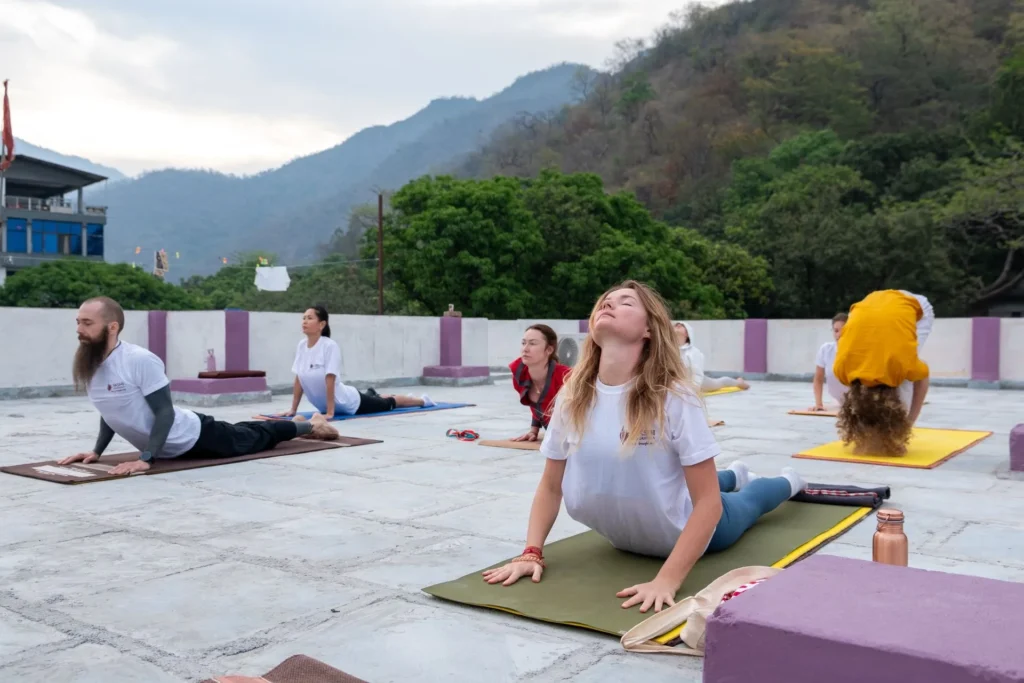
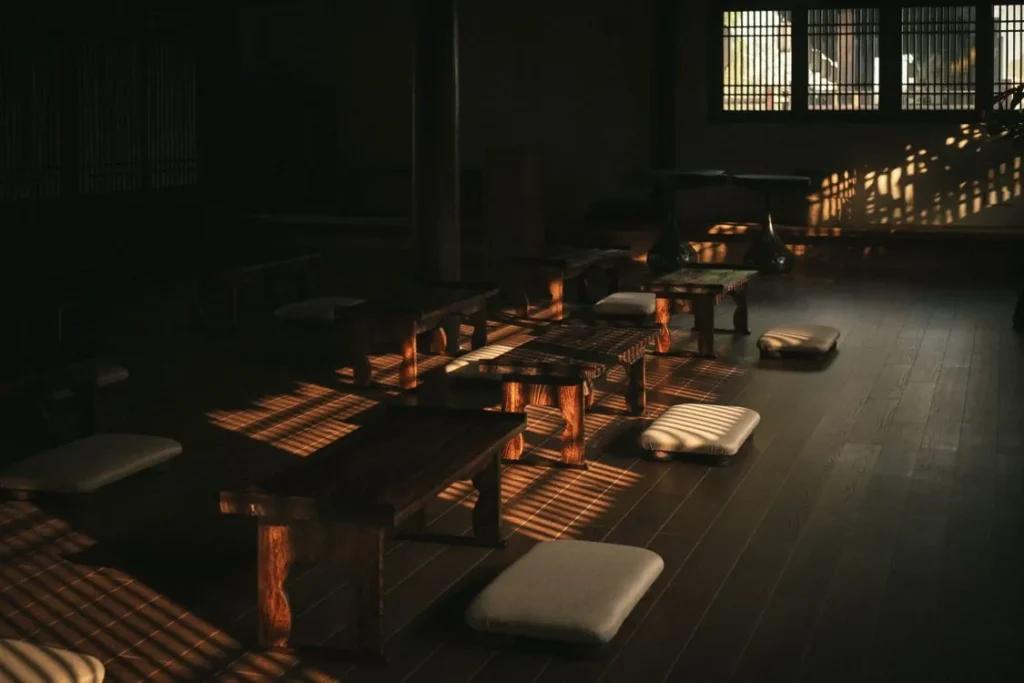
A silent retreat sounds simple — a few days of not talking. Then the questions arrive. What do you actually do all day? Can you ask for help if you need it? Is everyone just sitting in a room being bored together? Most pages either try to sell you one or describe it in fog — “transformative,” “profound,” not a schedule in sight.
This guide is the practical version. It walks through a first silent retreat hour by hour: what “noble silence” really means, what a typical day at a US centre looks like, why day two is the hard one, how pricing works, and how to choose a first retreat that fits a beginner. If you are still deciding whether a retreat of any kind is right for you, start with our wellness retreats for beginners guide, which compares retreat types side by side — this article assumes you have picked the silent kind and want to know what you have picked.
In this guide: the quick answer · what silence actually means · a typical day, hour by hour · the 3-day arc · how to choose your first one · what to pack for silence · coming home · FAQs
The quick answer: what a silent retreat is — and is not
A silent retreat is a short residential stay — most often two to seven days at a meditation centre — where participants stop speaking for most of the programme so that attention can settle. The days are structured: sittings alternate with walking meditation, meals are eaten in silence, teachers give talks, and there is usually a daily chance to speak with a teacher. The silence is the container; the meditation is the content.
What it is not:
- Not a spa day. There is no menu of treatments and no sleeping in. The day starts early and runs on bells. The rest it offers is real, but it is the rest of a mind with less input, not the rest of a serviced weekend.
- Not a punishment or an endurance test. Nobody is policing your worthiness. If you are ill, frightened, or in genuine need, you speak — to staff, to a teacher, to anyone. Silence at a well-run centre is an agreement, not a trap.
- Not total isolation. You will sit, walk, and eat alongside the same group for days — and shared silence turns out surprisingly companionable: all the warmth of company, none of the small talk.
- Not a treatment. A silent retreat can support calm and reflection. It is not therapy, and it does not treat any medical or mental-health condition — centres themselves are clear about this.
What silence actually means
The phrase centres use is noble silence — a term from the Buddhist tradition that most US centres, traditional and secular alike, have adopted. It means silence on three levels: body (no gesturing conversations), speech (no talking), and mind (stopping rehearsing conversations, not just performing them).
In practice, for a beginner, noble silence comes down to four agreements:
- No conversation. Not with the person at the next cushion, not whispered in the hallway, not mimed across the dining room — and no checking faces for reactions.
- No phones. Most centres collect phones at check-in or require them off and put away for the whole stay. For many beginners, the phone silence matters more than the speech silence. Tell your family before you go, and leave them the centre’s emergency number — reaching you urgently is always possible.
- Little or no reading and writing. Many centres discourage books and journals, so attention stays with the day rather than inside a story. Policies vary — check your centre’s page before you pack.
- Silence has doors. You can always talk to staff about practical needs — a blanket, a headache, a broken shower. Teacher interviews are speaking spaces by design. And an emergency ends silence instantly. Nobody at a reputable centre expects you to stay silent through a real problem.
One honesty note, in line with this site’s practice: we compared centre programme pages and published schedules for this guide — centres such as Spirit Rock and the Insight Meditation Society publish theirs openly. We did not attend these retreats to write it. The day below is a typical centre day, not one centre’s timetable; check your own centre’s schedule before booking, because times vary.
A typical day, hour by hour
Every centre sets its own bells, but US residential silent retreats share a skeleton. A typical full day:
- 5:30 a.m. — Wake-up bell. Earlier than your normal life, deliberately: the quietest sittings are the first ones.
- 6:00 — First sitting. About 45 minutes of meditation; on the first morning, the teacher explains posture and basics.
- 6:45 — Breakfast, eaten in silence. Hot drinks first — nobody expects heroics before tea.
- 7:30 — Work period. Many centres assign a light daily job (sweeping a path, helping in the kitchen) of about 45 minutes — silence while doing something simple with your hands.
- 8:15 — Walking meditation. Slow, deliberate walking, often outdoors. The sit–walk alternation is the engine of the day; nobody sits still for ten hours.
- 9:00 — Sitting with instructions. The teacher guides the morning practice in more depth.
- 10:45 — Lunch. At most centres this is the main meal of the day, eaten in silence.
- 12:15 — Rest. A long midday break: nap, rest, a gentle walk. Silence continues; so does doing nothing.
- 2:00 — Afternoon sittings and walking periods, as in the morning.
- 4:15 — Teacher interviews. Small groups meet a teacher — this is where you can talk: your practice, your stiff back, your day-two doubts.
- 5:00 — Light supper or tea. Many centres serve a lighter evening meal — soup, tea, fruit; a full stomach and meditation are poor partners.
- 6:15 — Evening sitting, then the talk. The day’s main teaching.
- 8:00 — Walking meditation or a final sitting.
- 9:15 — The day closes. Wash, bed, lights out around 9:30–10:00 — early, and by day two you will be grateful.
Notice what is missing from that day: nothing. There is no gap where you must entertain yourself — the next bell always arrives. Beginners consistently report that the day feels fuller than expected, and slower: without phones, news, or conversation, an ordinary hour has more in it.
Day by day: the 3-day arc
Day 1 — decompression. You arrive, check in (this part involves talking), hand over your phone, and find your room and cushion. The first evening sittings feel long. Your body is tired from travel and your mind is loud: it replays conversations and drafts messages. The noise is not a malfunction — it is the backlog, and day one is when it plays. Sleep usually comes easily, and early.
Day 2 — the dip. This is the day teachers warn about, and the day the retreat earns its keep. Boredom arrives. So, often, does irritation — the person chewing near you at lunch may briefly become your enemy — along with restlessness and a strong case for leaving: I have the gist, I could go home now. Underneath, quieter things are happening: your attention, with nothing new to eat, notices what is in front of it. Sounds get sharper. Lunch tastes like more. By the second afternoon, many beginners notice the first stretch of real quiet inside — not forced, just there. Day two is not the retreat failing; it is the retreat working.
Day 3 — integration. The mind is noticeably slower. Small things — light on the path, the edge of the bell — land properly. Silence ends gradually, usually after a closing talk: first interviews, then quiet talking at the final meal. Most people are surprised by how loud normal speech feels. A weekend retreat compresses this arc — arrive Friday, one full day, close Sunday — which is precisely why it is the right first dose: the full shape, at a survivable size.
How to choose your first silent retreat
Start with a weekend. Two or three nights is a complete retreat at beginner scale. Resist the dramatic option: the well-known 10-day Vipassana courses run through dhamma.org — about ten hours of sitting a day, no reading or writing — are built for people who already know they want that. They are respected, and for a first-timer they are the deep end of the pool. A weekend teaches you whether you like the water.
Guided beats unguided, first time. Look for a named teacher, daily talks, and scheduled interviews or question sessions — “guided silent retreat” language. A self-led retreat assumes you already have a practice to be self-led with. As a beginner, you want instruction inside the silence, not just silence.
Tradition or secular — pick your language. Established US centres such as Spirit Rock Meditation Center in California and the Insight Meditation Society in Massachusetts come out of the Buddhist insight-meditation tradition; the teaching is practical and secular guests are common, but the vocabulary is Buddhist. Wellness-venue retreats drop the tradition language and keep the structure. Neither is better — you will hear the words for three days, so choose the ones you can relax into.
Group size matters more than facilities. A group under about 30 usually means real access to the teacher at interviews. Large centres run beautifully, but you may be one of a hundred. For retreat one, teacher access beats thread count.
Understand the price model before you compare. US silent retreats use three:
- Fixed price. One fee covers lodging, meals, and programme. For a 2–3 night residential weekend at many smaller centres, typical totals run roughly $200–$600, with a shared room or dorm at the low end, a single room at the high end, and the region moving the figure; larger nonprofit centres’ longer retreats run higher, on sliding scales.
- Sliding scale. Common at nonprofit centres: a published range, and you choose the point you can honestly afford. The teaching is the same at every point.
- Dana (donation). Some courses — the 10-day Vipassana format is the classic case — charge no set fee at all: past students’ donations fund the next course, and you give at the end if you wish. It is not a discount scheme; it is the funding model, and it mostly attaches to long, traditional courses.
For the wider picture, our affordable wellness retreats guide lays out US price bands by retreat type and length. Whatever the model, read the deposit and cancellation terms before paying — places are limited and cancellation windows are real.
What to pack for silence
The full checklist lives in our wellness retreat packing guide; silence changes only a few lines of it:
- Layers and a warm shawl. Meditation halls run cool, and sitting still lowers your temperature.
- An analog watch or small alarm clock. Your phone will be off or handed in; a clock of your own settles the 5 a.m. anxiety.
- Slip-on shoes. You will take your shoes off at the hall door many times a day. Laces get old by day two.
- Earplugs, if you are a light sleeper in a shared room — silence is a group agreement; snoring is not covered by it.
- A notebook, only if your centre allows one — some ask you to leave writing out as well.
Coming home: the re-entry
Silence usually ends at the centre, before you leave — and still, home is a shock. Traffic is loud; small talk feels fast. Plan for a soft landing:
- Keep the first evening back empty. No dinner out, no party, no “tell us everything” debrief. Cook something simple, go to bed near retreat time, and let the quiet drain slowly.
- Expect feelings to sit closer to the surface for a day or two — tenderness, irritation, clarity. This is normal re-entry weather, not a sign something went wrong.
- Keep one small practice, not the whole schedule. Ten quiet minutes before your phone in the morning, or a first cup of coffee in actual silence. The full timetable collapses by Wednesday; one small kept practice survives — and is the honest souvenir.
- Tell your people beforehand that you will be offline during the retreat and a little quiet after it. The request lands better before than during.
Frequently asked questions
Do I have to be silent the whole time?
Nearly — silence covers the programme from the first evening to the closing session. But it is not a vow with failure conditions: you can always speak to staff about practical needs, teacher interviews are speaking sessions by design, and an emergency overrides everything. The point is rest from social performance, not silence as a test you can fail.
What if I have never meditated?
Then a beginner-labelled guided retreat is built for you. The first sittings are instructed — posture, what to do with your attention, what to do when it wanders. It will wander; noticing that is the practice, not a mistake. Sittings run about 30–45 minutes with walking meditation between them. Choose “beginner” in the listing, and save self-led retreats for after your first weekend.
Can I leave early?
Yes. You are a guest, not a prisoner — tell the office before you go so nobody worries. Deposits and late refunds follow the centre’s cancellation terms, often strict near the start date. Two honest qualifications: the urge to leave peaks on day two for almost everyone and usually passes, so teachers suggest sleeping on it; and if you can only stay part of a retreat, ask first — some centres ask beginners to commit to the full arc.
What if I get upset or want to cry?
It happens constantly, and it is not a disruption. Quiet rooms turn up the volume on whatever you brought in, and tears in the hall are normal enough that nobody will look twice. You can step out and walk, sit somewhere private, or raise it at your teacher interview — that is exactly what interviews are for. If you are in acute distress, tell staff; they will help, including helping you leave if that is right. One boundary, stated plainly: a retreat supports calm and reflection, but it is not therapy or treatment for a mental-health condition. If you are in the middle of a crisis, talk to your clinician about timing first, and choose a guided retreat with experienced teachers.
Keep reading: if you are still choosing a retreat type, our wellness retreats for beginners guide is the hub that compares types, costs, and formats — and once the retreat is booked, our wellness retreat packing guide has the full checklist, including its silent-retreat add-on.