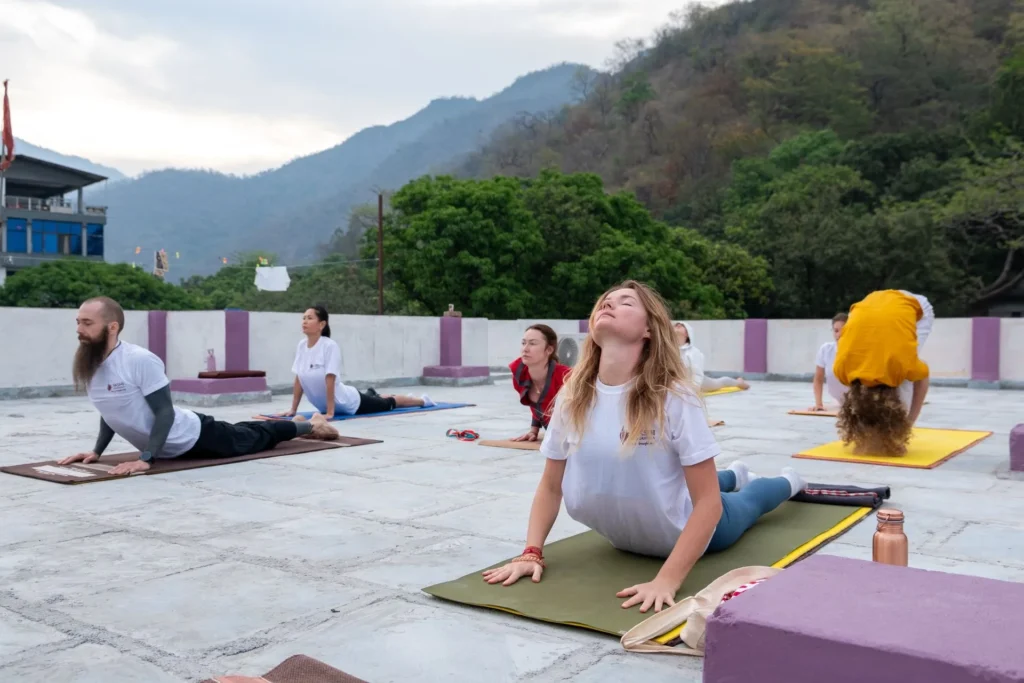

A wellness retreat does not have to cost what a used car costs. The internet is full of $5,000-a-week luxury escapes that make it look like restoration is a rich person’s sport — but the retreat world has a quiet, affordable layer underneath. Daylongs for less than a nice dinner out. Weekend retreats with food and lodging for a few hundred dollars. Donation-based programs where a full guided day costs whatever you choose to give. This guide shows you the real price bands in the USA and the eight legitimate ways experienced retreat-goers pay less — no gimmicks, no timeshare-style “free” weekends, and no sleeping somewhere that ruins the point of going.
In this guide: real US price bands · what drives prices up or down · 8 ways to pay less · a sample budget weekend · the cheap-traps to avoid · FAQs
A note on prices: bands below reflect typical 2026 pricing checked across US retreat listings in October 2026 — retreat prices change by season and program, so always confirm on the center’s own site before booking. If you have not chosen your retreat type yet, our complete beginner’s guide to wellness retreats in the USA walks through every option first.
What a wellness retreat actually costs in the USA
Forget the headline numbers. Most retreat pricing in America falls into a predictable grid by type and length, and knowing the grid is half the skill — it is what lets you spot both the genuine deals and the inflated ones.
| Retreat | Day pass / daylong | Weekend (2–3 nights) | Full week (5–7 nights) |
|---|---|---|---|
| Meditation center (insight, Zen) | $25–$175 | $300–$1,300 | $600–$4,000 |
| Yoga retreat | $50–$200 | $400–$1,800 | $1,000–$5,000 |
| Silent retreat | $40–$150 | $350–$1,200 | $700–$3,500 |
| Spa / wellness resort | $100–$300 (day spa packages) | $800–$3,000+ | $2,500–$8,000+ |
| Digital detox / nature cabin | $25–$75 (day access, rare) | $300–$900 | $700–$2,500 |
A few things to read carefully in this table:
- “All-inclusive” usually means lodging + meals + programming. Massages, one-on-one sessions, and transport to the center are the classic extras — always check the inclusions list, because a $400 weekend that nickel-and-dimes you is worse than a $600 weekend that covers everything.
- Sliding scales stretch every band. Many meditation centers publish tiered pricing (for example, recent listings show a weekend retreat ranging roughly $500–$1,300 by tier, with scholarship rates well below). The bottom tier exists for people on tight budgets — choosing it honestly is not cheating; it is what the tier is for.
- Day passes are the cheapest real door in. You get guided programming and often a meal without paying for a bed. A $75 daylong with lunch at a real center is not a compromise — for many beginners it is the smarter first move.
What drives retreat prices up or down
Understanding the levers lets you keep everything you care about and cut only what you do not.
The lever that matters most: lodging tier. The programming at a retreat is often the same whether you sleep in a shared dorm or a private cabin — the difference between the cheapest and most expensive option at the same center is usually just the room. If you can sleep in a shared or simple room, you can cut 30–50% off a residential retreat without touching the experience.
Destination premium. Big Sur, Sedona, and the Berkshires charge for being Big Sur, Sedona, and the Berkshires. Centers within driving distance of a major metro are almost always cheaper than destination resorts that fly people in — and you skip the flight too. As a rule of thumb, the farther a retreat is from where people live, the more of its price is real estate and marketing rather than programming.
The inclusions gap, explained. Here is a habit that will save you real money: before comparing two retreats, write down the all-in number for each — headline price plus the massage, the shuttle, the “optional” workshop that everyone takes. The center with the higher headline price often wins once the hidden extras are counted.
Season. Retreat centers have shoulder seasons like everything else in travel. Late fall and early spring are consistently the cheapest times at most US centers; summer and holiday weeks are the priciest.
Teacher fame. A weekend with a bestselling author or famous teacher can cost double the same center’s program with their own staff teachers — and staff teachers at established centers are often excellent. For your first few retreats, the teacher’s celebrity is the most overpriced ingredient on the menu.
What is actually included. The single biggest source of price confusion. Two “weekend retreats” at $600 and $900 may be the same price once you add meals, the massage you will want anyway, and the shuttle. Compare total out-the-door cost, not the headline.
8 legitimate ways to pay less
None of these are tricks. They are how retreat pricing actually works, used openly.
1. Go on a weekday
Most centers price Monday–Thursday stays 10–30% below weekend rates, and midweek programs are smaller — which often means more teacher attention, not less. If your schedule allows it, the weekday version of the same retreat is the easiest discount in the industry.
2. Start with a daylong, not a weekend
Day passes ($25–$175 at most meditation and yoga centers) are the industry’s on-ramp. You get real guided practice, real meals with the community, and a genuine feel for the center — for roughly the cost of a dinner out. If you love it, book the residential version next time with confidence instead of guessing.
3. Travel in the shoulder season
The same center, same program, same teachers: November and March are routinely 15–25% cheaper than July. Off-season also means smaller groups. The only honest trade-off is weather at outdoor-oriented centers — check what “shoulder season” means for the specific location before committing.
4. Use sliding scales and scholarships as intended
Many nonprofit retreat centers — especially meditation centers — publish tiered or sliding-scale pricing and set aside scholarship spots. The tiers exist precisely because retreats should not be only for the wealthy. Apply for the scholarship rate if money is genuinely tight; choose the low end of the scale if you are watching your budget. This is not a loophole — it is the center’s stated policy, and the spots are funded by people paying the top tier.
5. Consider work-exchange (seva / karma yoga)
Some centers offer reduced or waived fees in exchange for a few hours of daily service — kitchen help, gardening, housekeeping. This is a real, traditional practice (not a staffing scam at legitimate centers), and it comes with a side benefit: the rhythm of service becomes part of the retreat. Ask the center directly about work-exchange; it is often arranged by email rather than advertised on the website.
6. Look for donation-based programs
Centers in the Plum Village and Vipassana traditions regularly run days of practice on a pure donation (dana) basis — a full guided day for whatever you choose to give. For example, monasteries like Deer Park Monastery near San Diego open scheduled Days of Mindfulness on a donation basis. If meditation is your lane, this is the best value in American wellness travel, full stop. (Our California meditation retreat guide has more on how dana pricing works.)
7. Commute instead of staying over
Some centers welcome local commuters for weekend programs at a reduced rate — you attend everything and sleep at home or in a cheap motel nearby. You lose the immersive bubble, but you can cut the single biggest cost (lodging) entirely. Worth asking about even when it is not advertised.
8. Book the budget program, not the budget brand
This is the mindset shift: do not shop for the cheapest retreat center — shop for the cheapest format at a good center. A daylong at an excellent center beats a cut-rate weekend at a place with no reviews, no clear teachers, and no refund policy. Quality has a floor, and going below it wastes the whole trip.
What a real budget retreat weekend looks like
Here is the shape of an honest low-cost weekend, assembled from the bands above:
- Friday: arrive at a daylong or evening program ($25–$75)
- Saturday: full daylong with meals at a meditation or yoga center ($75–$150)
- Sunday: donation-based morning sit or a self-guided nature day ($0–$25)
- Lodging: two nights at a simple motel or friend’s couch nearby ($120–$250)
- Food outside programs: simple meals ($40–$80)
Realistic total: roughly $260–$580 — a genuine first retreat experience, with real teachers and real structure, for less than a single night at a luxury resort. As you get comfortable, you will know exactly which parts are worth spending more on.
The cheap traps to avoid
“Free” retreat weekends. Anything marketed as free is selling you something else — usually a timeshare-style pitch or a multi-level marketing funnel. Real centers charge real money; the affordable ones just charge less.
No refund policy. Budget does not have to mean risky. Legitimate centers publish clear cancellation terms. If a center will not tell you what happens when you need to cancel, that is the review that matters.
Vague teacher credentials. At the budget end, check who is actually teaching: a named teacher with a real lineage or training, not “our wellness team.” This matters more, not less, when prices are low.
The all-inclusive mirage. A suspiciously cheap headline rate with every meaningful thing sold separately is not cheap. Get the full inclusions list in writing before you pay.
Frequently asked questions
How much does a wellness retreat cost in the US?
For a beginner in 2026: a daylong runs $25–$175, a weekend $300–$1,500, and a full week $1,000–$5,000+ depending on type and lodging. Meditation centers are consistently the cheapest category; spa resorts are the priciest. Sliding scales and day passes push the real floor lower than most people expect.
Are cheap retreats legitimate?
The affordable end of the retreat world is mostly legitimate — nonprofit meditation centers, donation-based programs, and simple yoga retreats have kept prices low for decades. What is not legitimate is the “free luxury weekend,” which is always a sales funnel. Judge a retreat by its teachers, reviews, and refund policy, not its price tag.
What does “all-inclusive” mean at a retreat?
Usually lodging, all meals, and the scheduled programming. The common extras are massages and bodywork, one-on-one sessions, airport transfers, and alcohol or specialty drinks. Always confirm the inclusions list — two retreats at different headline prices are often the same price all-in.
When is the cheapest time to go on a retreat?
Late fall (November) and early spring (March–April) are the cheapest seasons at most US centers, typically 15–25% below summer rates — and weekday stays beat weekends by another 10–30%. Combine both and the same program can cost roughly half its peak price.
Can I do a wellness retreat for under $300?
Yes — as a daylong ($25–$175) plus a cheap night nearby, or a donation-based program where lodging is the only real cost. What $300 does not buy is a week at a destination resort. Match the format to the budget, not the other way around.
Keep reading: if this is your first retreat ever, our complete beginner’s guide to wellness retreats in the USA covers how to choose your type — and the best meditation retreats in California for beginners shows what the cheapest real category looks like in practice. Once you have booked, what to pack for a wellness retreat — the complete checklist covers what to bring.