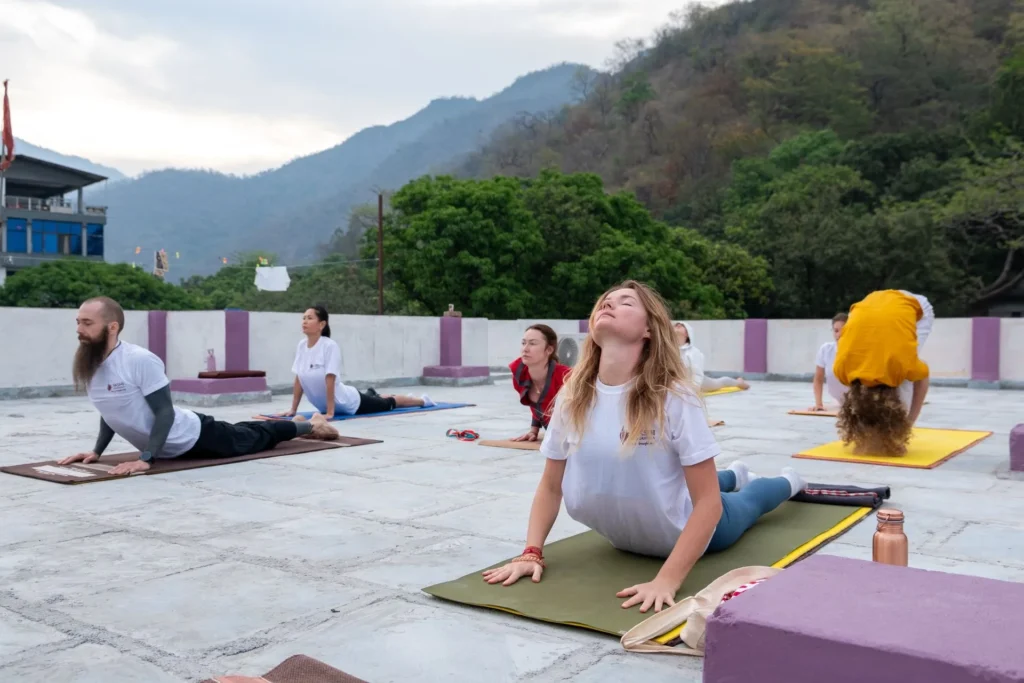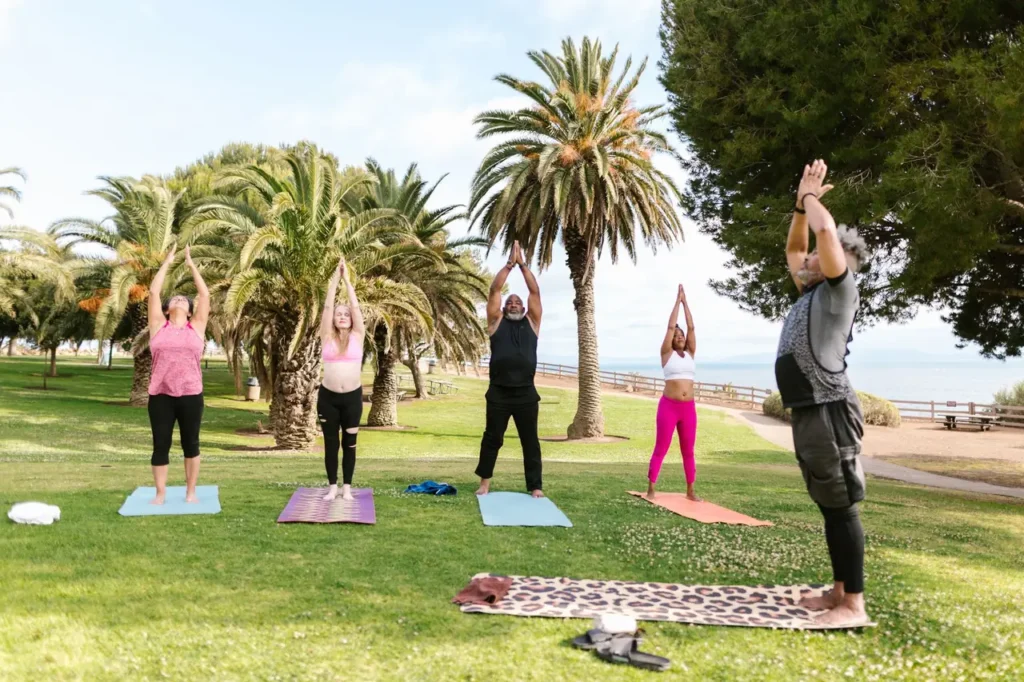
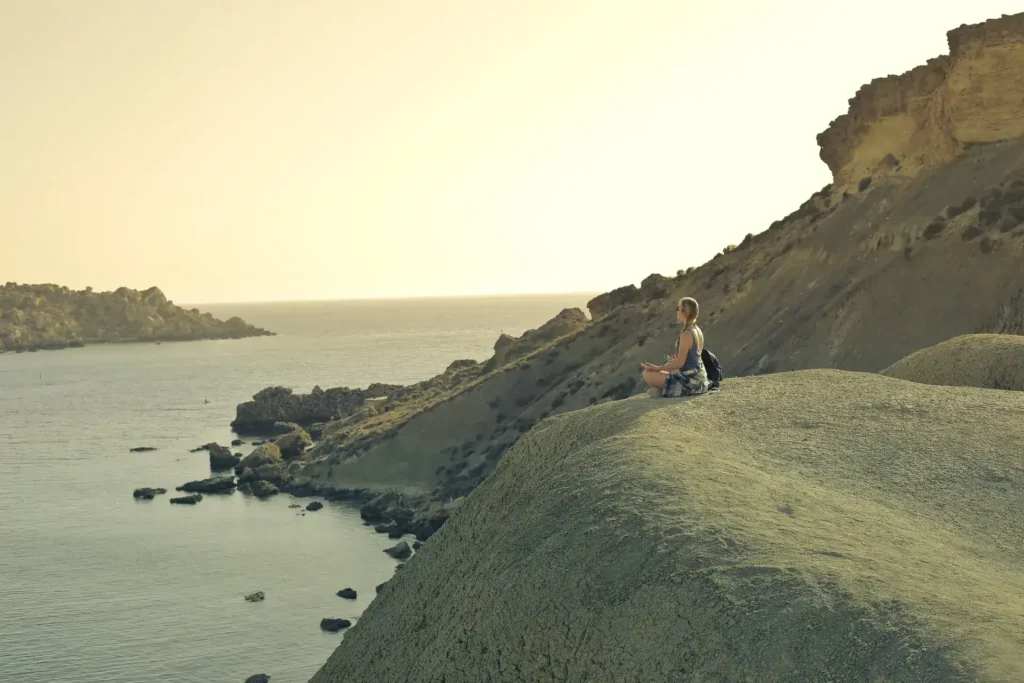
If you have never meditated — or you have tried an app and now want the real thing — California is the easiest state in America to start. It has the highest concentration of beginner-friendly meditation retreats in the country: insight centers in the redwoods, Zen monasteries on the coast, a Plum Village monastery outside San Diego, and donation-based days where a full day of guided practice costs whatever you choose to give. This guide compares 8 California retreats built for people with no experience, with real prices in USD, what each place is actually like, and how far each one is from the nearest big airport.
In this guide: quick picks · why California is the easiest place to start · the 8 centers, by region · silent vs. guided — what to pick first · the weekend-first pathway · how sliding-scale and dana pricing actually works · the one thing to skip for now · FAQs
A note on prices: rates below were checked in October 2026 against the centers’ own listings — retreat prices change by season and program, so always confirm before booking. If you are still deciding whether meditation is your retreat type at all, our complete beginner’s guide to wellness retreats in the USA walks through the other options first.
Quick picks
- Best overall first retreat: Spirit Rock Meditation Center (Marin County) — structured beginner programs, sliding-scale pricing, 45 minutes from San Francisco.
- Cheapest first taste: Deer Park Monastery’s Day of Mindfulness (Escondido) — a full day of guided practice, donation-based.
- Best weekend that feels like a retreat, not a course: Esalen Institute (Big Sur) — hot springs, ocean cliffs, and meditation workshops with no experience required.
- Best if you want to start in a city: San Francisco Zen Center — drop-in sits and beginner instruction in San Francisco and Marin.
- Best quiet small-center experience: Mountain Stream Meditation Center (Nevada City) — daylongs from $40 on a sliding scale.
Why California is the easiest state to start
Two things make California different. First, density: within a few hours’ drive you can choose between four major meditation traditions (insight/Vipassana, Zen, Tibetan, and Plum Village mindfulness) instead of taking whatever is nearest. Second, the beginner infrastructure: several of the country’s oldest teaching centers are here, and introductory programs are a core offering, not an afterthought. If you live in California, your first retreat can be a day trip.
The 8 centers at a glance
| Retreat | Region | Tradition | Shortest beginner program | Typical cost (USD) | Silent or social | Nearest airport (drive) |
|---|---|---|---|---|---|---|
| Spirit Rock Meditation Center — Woodacre | Northern California | Insight (Vipassana) | 1-day retreat | Daylongs $75–$175; weekend retreats ~$500–$1,300 by tier | Mixed (mostly silent, with guidance) | San Francisco (~45 min) |
| Insight Retreat Center — Santa Cruz | Northern California | Insight (Vipassana) | Weekend residential retreat | Residential retreats on a sliding scale (confirm current rates) | Mostly silent | San Jose (~45 min) |
| Mountain Stream Meditation Center — Nevada City | Northern California (Sierra foothills) | Insight (Vipassana) | Half-day retreat | Daylongs $40–$125 sliding scale | Mixed | Sacramento (~1 hr 15 min) |
| San Francisco Zen Center — SF, Green Gulch, Tassajara | Northern California | Zen (Soto) | Drop-in sit / Saturday program | Donation-based sits; guest stays nightly (book ahead) | Mixed | San Francisco (~20 min to City Center) |
| Esalen Institute — Big Sur | Central Coast | Eclectic (many traditions) | Weekend workshop | ~$1,500–$2,500+ for a 5-day workshop, standard lodging, all-in | Social | Monterey (~1 hr); San Jose (~2 hrs) |
| Land of Medicine Buddha — Soquel | Central Coast | Tibetan Buddhist | Weekend course | Affordable weekend programs (check the calendar) | Mixed | San Jose (~45 min) |
| Deer Park Monastery — Escondido | Southern California | Plum Village mindfulness | Day of Mindfulness | Donation-based; advance registration required | Mixed (guided, some silence) | San Diego (~40 min) |
| Self-Realization Fellowship — Encinitas | Southern California | Meditation (Yogananda tradition) | Beginner classes | Classes and gardens; check current schedule | Social | San Diego (~35 min) |
Prices change by program and season — the table gives the shape of the cost, not a quote. Confirm on each center’s site before booking.
Northern California
1. Spirit Rock Meditation Center — Woodacre, Marin County
Spirit Rock is the single best first residential meditation retreat in California for most beginners. It sits in the San Geronimo Valley, about 45 minutes north of San Francisco, and teaches insight (Vipassana) meditation — the style most Americans mean by “mindfulness.” The center runs beginner-friendly residential retreats every season: guided instructions, teacher meetings, and a schedule that builds gradually for people who have never sat a full day.
The pricing you need to understand: Spirit Rock uses a sliding scale, and the fee is not one number. A 7-night residential retreat recently listed tiers from a $665 scholarship rate to a $4,270 supporter rate with a guaranteed single room; weekend retreats typically land around $500–$1,300 by tier, and daylongs run $75–$175. The registration fee covers food and lodging but not teacher dana — the voluntary donation to the teachers at the end (explained below). Popular weekend programs fill, and scholarship spots go first.
First-timer fit: excellent. Choose a weekend or 3-day beginner retreat rather than a 7-night silent intensive for your first stay.
2. Insight Retreat Center — Santa Cruz
The Insight Retreat Center (IRC) is Spirit Rock’s residential sister facility, set in the redwoods above Santa Cruz, about 45 minutes from San Jose. It runs residential insight-meditation retreats in a quieter, more intimate setting — fewer people, more redwood, the same teaching lineage. Programs are priced on a sliding scale; a weekend retreat here is a gentler container than the larger main-campus intensives.
3. Mountain Stream Meditation Center — Nevada City, Sierra foothills
Mountain Stream is the small-center counterpoint to the big campuses: a Theravada/Vipassana center in Nevada City, about an hour and fifteen minutes from Sacramento, running since the 1980s. It hosts weekly sitting groups, daylong retreats, and two residential retreats a year. A recent daylong listed a sliding scale of $40–$125 — scholarship $40, standard $95, sustaining $108, steward $125 — making it one of the cheapest real retreat experiences in the state.
First-timer fit: excellent for a first daylong. Drive up, sit a full day with guidance, drive home — the lowest-commitment real taste of retreat practice on this list.
4. San Francisco Zen Center — San Francisco, Green Gulch Farm, Tassajara
If you live in the Bay Area and want to start without leaving town, the San Francisco Zen Center is the answer. It runs three sites: City Center in San Francisco, Green Gulch Farm in Marin, and Tassajara in the Ventana Wilderness. Beginners can walk into public sits and Saturday morning programs with instruction — donation-based, no application, no packing list. Green Gulch also takes overnight guests (book well ahead), and Tassajara runs a summer guest season with meditation woven in.
First-timer fit: the easiest possible start. Try a few public sits first — many people discover they do not need a residential retreat at all, or arrive at one already knowing how to sit.
Central Coast
5. Esalen Institute — Big Sur
Esalen is the famous one: a cliff-side campus above the Pacific in Big Sur, with natural hot springs, gardens, and a workshop catalog spanning meditation, yoga, psychology, and bodywork. Five-day workshops in standard lodging run roughly $1,500–$2,500+ all-in; weekend workshops are shorter and less expensive. The atmosphere is social — shared meals, conversation, ocean views — which makes it the least intimidating first retreat on this list for someone nervous about silence. Check the catalog for beginner-labeled meditation workshops.
First-timer fit: very good if you want meditation inside a broader, comfortable retreat experience rather than a strictly Buddhist container.
6. Land of Medicine Buddha — Soquel, Santa Cruz Mountains
Land of Medicine Buddha is a Tibetan Buddhist center in the redwoods near Soquel, about 45 minutes from San Jose, offering weekend courses and retreats in the Tibetan tradition — meditation, philosophy, and compassion practices. It is smaller and more affordable than the big-name campuses, and the setting is pure redwood forest. Check the current calendar for weekend programs.
First-timer fit: good, especially if the Tibetan tradition appeals to you or you want a redwood setting at a lower price than Esalen.
Southern California
7. Deer Park Monastery — Escondido
Deer Park is a 400-acre monastery in the hills outside Escondido, founded in 2000 by Zen master Thich Nhat Hanh in the Plum Village tradition — and it may be the best-value first meditation experience in America. On scheduled Sundays, the monastery opens for a Day of Mindfulness: walking meditation in noble silence with the monks, mindful movement, a dharma talk, and group sharing. Everything is offered on a donation basis — a full guided day for whatever you choose to give. Advance registration is required and days fill up. If you have never meditated, Deer Park’s free online beginner course is a perfect warm-up before visiting.
First-timer fit: the best first step in Southern California, full stop. Do a Day of Mindfulness before you book anything residential.
8. Self-Realization Fellowship — Encinitas
The Self-Realization Fellowship’s Encinitas ashram and meditation gardens sit on a bluff above the Pacific, about 35 minutes north of San Diego. Founded in the tradition of Paramahansa Yogananda, it offers beginner meditation classes and famously beautiful public gardens — a calm, low-pressure way to start a meditation habit in a stunning setting. Check the current schedule for introductory classes and retreats.
First-timer fit: good for a gentle, devotional-flavored start, and the gardens alone are worth a visit to see whether this kind of setting appeals to you.
Silent or guided: what a beginner should pick first
Meditation centers come in two flavors, and the wrong first pick is the most common beginner mistake. Guided / talking programs — instruction throughout the day, conversation at meals, teachers available: daylongs, beginner weekends, Days of Mindfulness. This is your first pick. Silent residential retreats — “noble silence” from waking to sleep, often 5–10 days: no talking, no phones, no reading. Powerful, and experienced meditators value it deeply — but it removes every social comfort at once.
The on-ramp that works: a guided daylong or beginner weekend first (talking allowed), then a short silent weekend as trip two. You will learn more from a talking weekend you enjoy than from a silent week you endure.
The weekend-first pathway: your first three steps
Step 1 — a day, not a week. Book a Day of Mindfulness at Deer Park, a Mountain Stream daylong, or a Saturday program at SF Zen Center. One day of guided practice teaches you what sitting actually feels like, for $0–$125.
Step 2 — a weekend residential. If the day went well, book a 2–3 night beginner retreat: Spirit Rock’s shorter programs, the Insight Retreat Center, or an Esalen weekend workshop. You now know you can sit; the weekend teaches you what retreat rhythm feels like.
Step 3 — go deeper only if you want to. Week-long or silent retreats are there when you are ready. There is no prize for skipping steps — the people who thrive at silent retreats almost always did the weekends first.
How sliding-scale and dana pricing actually works
Meditation-center pricing confuses every beginner, so here is the decoder — no competitor explains this plainly:
- Sliding scale means you choose your tier. Spirit Rock, for example, lists several rates for the same retreat: a scholarship rate at the bottom, a “sustainer” or “basic” rate in the middle, and a “supporter” or “benefactor” rate at the top. Their published fee tables show the full ladder. Pick the highest tier you can genuinely afford — the top tiers subsidize the bottom ones.
- Dana (pronounced “dah-nah”) is the Pali word for generosity. At insight-meditation centers, teachers are traditionally not paid a salary from your fee — at the end of the retreat there is an invitation to offer dana to the teachers. It is voluntary, private, and nobody watches what you give. Budget a little extra for it, and do not let it surprise you.
- Donation-based (Deer Park’s model) means there is no set fee at all — the monastery runs on what guests offer. Give what feels right; there is no minimum and no awkwardness about it.
For the full money picture — what retreats cost by type and length, and the legitimate ways to pay less our guide to affordable wellness retreats in the USA breaks it all down.
The one thing to skip for now: 10-day silent intensives
You will see 10-day Vipassana courses (in the Goenka tradition) recommended online as the “real” way to start. There are several such centers in California, and the courses are free — but they are 10 days of full silence with 10+ hours of daily sitting, no phones, no reading, no leaving early. It is a serious commitment designed for people who already know they want it: avoid a 10-day Vipassana until you have done a shorter retreat first. Do the weekend pathway above; the 10-day will still be there if you want it later.
Frequently asked questions
What’s the best meditation retreat for beginners?
For most beginners, Spirit Rock Meditation Center’s shorter (weekend or 3-day) programs: structured instruction, a sliding scale, and a 45-minute drive from San Francisco. For the cheapest possible first taste, Deer Park Monastery’s donation-based Day of Mindfulness in Escondido is a full guided day for whatever you choose to give. Pick based on region first — the best retreat is the one you will actually go to.
What if I’ve never meditated?
Then you are who beginner programs are designed for. Daylongs, Days of Mindfulness, and beginner weekends all assume zero experience: teachers explain how to sit, what to do with your mind, and when to rest. Deer Park’s free online Essentials of Mindful Living course is a good zero-pressure preview before you book anything.
How much does a meditation retreat cost in California?
A wide range: donation-based days (Deer Park, Mountain Stream), daylongs $40–$175, weekend residential retreats roughly $500–$1,300 on sliding scales, and 5-day workshop-style retreats $1,500–$2,500+ all-in (Esalen). Add teacher dana (voluntary) at insight centers. Confirm current rates before booking — prices shift by season.
Are meditation retreats silent — do I have to be silent the whole time?
Not all of them. Guided beginner programs, Days of Mindfulness, and workshop-style retreats include talking, instruction, and conversation at meals. Dedicated silent retreats keep noble silence throughout — no talking, no phones — and are better as a second or third retreat, not your first.
How long should my first meditation retreat be?
One day, then a weekend. A single guided daylong teaches you what sitting feels like for almost no money; a 2–3 night beginner retreat then teaches you the full rhythm. Save week-long and 10-day silent retreats for later.
What should I pack for a meditation retreat in California?
Less than you think: comfortable layered clothing (centers are drafty in the morning), a shawl for sitting, slip-on shoes, a reusable water bottle, medications, and earplugs if you sleep lightly. Most centers provide cushions, bedding, and vegetarian meals. Leave behind: work, strong scents, and expectations of luxury bedding. See the full checklist — what to pack for a wellness retreat.