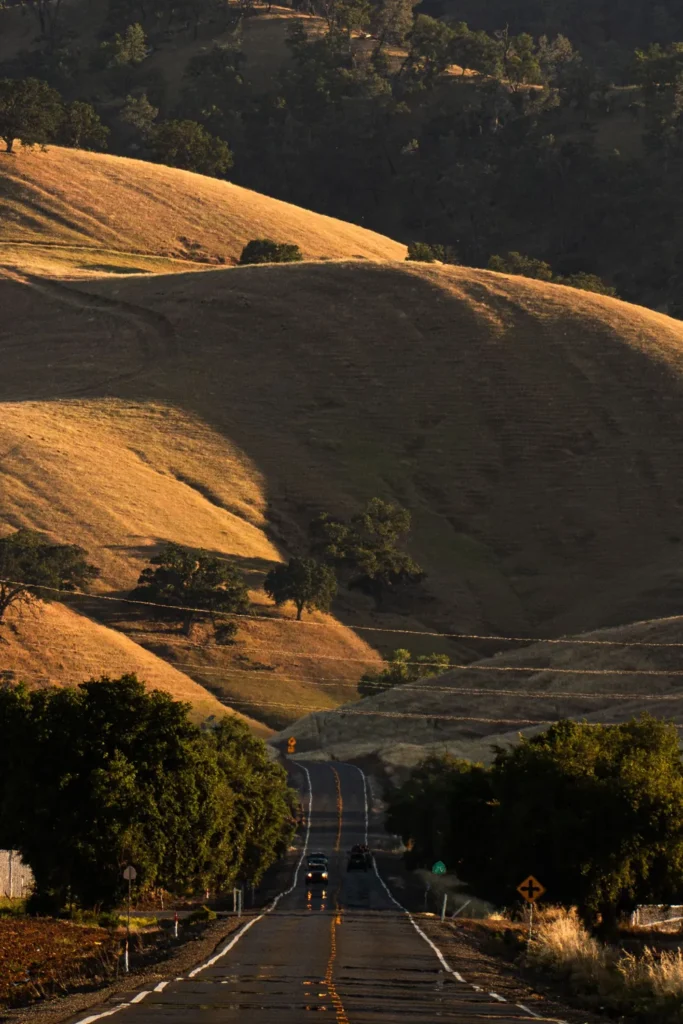
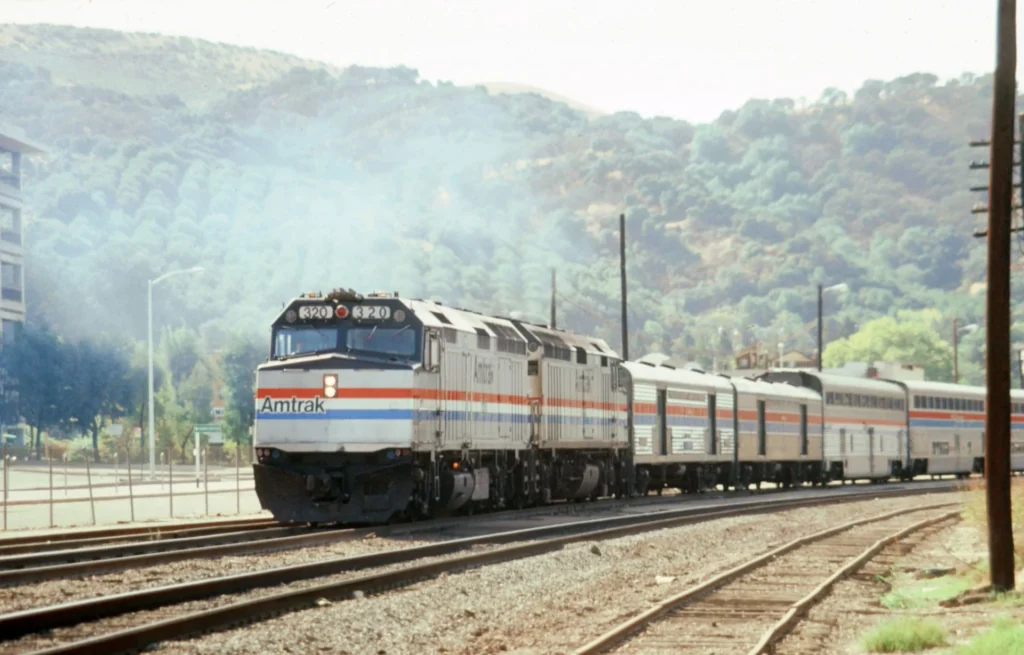
A train is the one form of American travel that does not punish you for going slowly. A flight gets you there faster and leaves you more tired. A long drive demands your attention every minute. A train lets you watch the country change outside the window, eat a real meal at a table, sleep through the dark hours, and arrive somewhere feeling like you actually travelled — not like you endured transport.
That is why scenic Amtrak routes belong in a slow-travel guide, not just a train-spotting list. The question most first-time riders actually ask is not “which route is prettiest in a photograph?” It is: which route should I pick first, how much of it should I ride, what will it really cost, and will I be comfortable? This guide answers those four questions, route by route.
In this guide: how to choose your first route · the ranked routes at a glance · 10 routes in detail · the best single segments (ride the best day, skip the rest) · coach vs. roomette vs. bedroom costs · one-day scenic rides · how to turn a route into a slow trip · booking tips for cheaper fares · FAQs
How to choose your first route (before the rankings)
Pick by what you want to look at, not by which route has the best reputation. Four first-timer rules:
Mountains → California Zephyr. Ocean → Coast Starlight. Glacier country → Empire Builder. Desert → Southwest Chief. That one-line decision rule covers most first trips, and it is honest: each of those four routes is genuinely best at its own kind of scenery, and none of them is best at everything.
Ride the best segment if you cannot ride the whole route. Long-distance Amtrak routes run for one to two days. You do not have to ride all of it. Riding one daylight segment — the stretch where the scenery is best and you are awake to see it — often gives you 80% of the experience for a fraction of the fare and time. The “best segment only” column in the table below is built for exactly that.
Check daylight, not just the timetable. A route’s most famous scenery is worthless if the train passes it at 2 a.m. Before booking, check which hours each segment runs in daylight for your travel date. Eastbound and westbound trains pass the same scenery at different times of day, so direction matters as much as the route.
Fares are buckets, not fixed prices. Amtrak coach and sleeper fares change with demand and how far ahead you book, the way airline fares do. Any fare figure in a guide is a snapshot, not a promise. The cost section below explains the structure — what a roomette includes, why the same route can cost very different amounts on different days — and the one segment fare that competitor research found published for 2026, so you can see how segment pricing works in practice. Always check the current fare on Amtrak.com before you decide.
The routes at a glance
| Route | Endpoints | Best single segment | Best season |
|---|---|---|---|
| California Zephyr | Chicago – Emeryville (San Francisco Bay Area) | Denver – Glenwood Springs, Colorado | Late spring to early fall |
| Coast Starlight | Seattle – Los Angeles | San Luis Obispo – Santa Barbara, California | Spring, or fall for fewer crowds |
| Empire Builder | Chicago – Seattle / Portland | Glacier National Park, Montana (West Glacier – East Glacier) | Summer (Glacier’s full season) |
| Southwest Chief | Chicago – Los Angeles | Albuquerque – Flagstaff, New Mexico / Arizona desert | Spring or fall (avoid summer desert heat) |
| Adirondack | New York – Montreal | Hudson Valley, New York | Fall foliage season |
| Pacific Surfliner | San Diego – San Luis Obispo | Santa Barbara – San Luis Obispo coast | Year-round |
| Amtrak Cascades | Seattle – Portland (and Vancouver, B.C.) | Puget Sound shoreline, Washington | Summer |
| Cardinal | New York – Chicago | New River Gorge, West Virginia | Fall |
| Lake Shore Limited | New York / Boston – Chicago | Hudson Valley and the Berkshire hills | Fall |
| Auto Train | Lorton, Virginia – Sanford, Florida | Overnight through the Southeast (a different kind of trip: your car travels with you) | Year-round |
A note on honesty: this table ranks routes by the slow-travel experience — scenery per hour awake, comfort, and how easy the trip is to build into a calm weekend — not by raw mileage or fame. A famous route that runs its best scenery overnight scores lower here than a shorter route you can actually enjoy.
The four flagship routes, in detail
1. California Zephyr — the one to ride first
Chicago to the San Francisco Bay Area, through the Rockies and the Sierra Nevada. Ask experienced riders which Amtrak route is the most scenic and most will name this one first, and they are right: the Colorado Rockies between Denver and Glenwood Springs are the single best day of train scenery in the United States, with the Sierra crossing into California as the second act.
Ride it this way if you are short on time: ride Denver to Glenwood Springs only. Published 2026 fare research found that segment priced from around $85 in coach, against a typical full-route coach fare of roughly $570 — the segment gives you the signature scenery for a small share of the full fare and one day instead of two. That price gap is the whole segment strategy in one example: pay for the best day, not the whole line.
Who it suits: first-time long-distance riders, mountain lovers, anyone who wants one unforgettable train day. Watch for: the Rockies segment’s daylight timing changes by direction and season, so check it before booking, and book the Sightseer Lounge car early in the day — the glass-topped lounge is where the scenery is best, and it fills up.
2. Coast Starlight — the ocean route
Seattle to Los Angeles, hugging the Pacific for long stretches of the California coast. This is the gentlest flagship: no high mountain passes, long daylight hours of coastal scenery, and an easy rhythm of small coastal towns.
Ride it this way if you are short on time: San Luis Obispo to Santa Barbara, or the full Los Angeles to San Luis Obispo stretch, gives you the coastal highlight without the two-day commitment. Who it suits: ocean lovers, nervous first-time riders (the scenery is beautiful without being remote), and anyone pairing the train with a slow coastal stay. Watch for: the northern half is forested and lovely but less dramatic than the coast; if ocean is the point, weight your trip toward the California half.
3. Empire Builder — Glacier country
Chicago to Seattle (with a Portland section splitting off in Spokane). Its signature is Glacier National Park in Montana: the train runs along the park’s southern edge, through valleys and beside rivers that you cannot see the same way from a car.
Ride it this way if you are short on time: the Glacier segment, West Glacier to East Glacier, in summer, when the park is fully open. Who it suits: national-park lovers, summer travellers, people who want wilderness without driving mountain roads. Watch for: this route’s on-time record has been weaker than the others in recent years — competitor research noted a 33% on-time figure for the Southwest Chief in 2024, and the Builder has had its own delays — so build a buffer day after arrival if you have a connection that matters, and treat the schedule as approximate, not a promise.
4. Southwest Chief — the desert route
Chicago to Los Angeles through Kansas, New Mexico, and Arizona. The desert light between Albuquerque and Flagstaff — red mesas, wide skies, long shadows — is unlike anything on the other three flagships, and the route’s slower pace suits the landscape: this is a trip for looking, not for rushing.
Ride it this way if you are short on time: Albuquerque to Flagstaff captures the desert highlight. Who it suits: desert lovers, photographers, travellers who find mountains crowded and coasts overpriced. Watch for: summer heat makes the desert segments less pleasant, and the same on-time caution applies — this route has historically run late more often than the coastal routes.
Six more routes worth knowing
Adirondack (New York – Montreal). A daytime international route up the Hudson Valley and along Lake Champlain. In fall foliage season it is one of the best one-day scenic rides in the country, and it needs a passport. A good first international train trip because it is short, daytime, and the border crossing is routine.
Pacific Surfliner (San Diego – San Luis Obispo). The easiest scenic train in America: frequent, daytime, no sleeper decision, coastal for much of the way. If you have never ridden a train for pleasure and want a no-risk trial, ride Santa Barbara to San Luis Obispo and back.
Amtrak Cascades (Seattle – Portland, and Vancouver). A short, comfortable daytime ride along Puget Sound. Pair it with a slow weekend in either city and you have a complete trip with almost no planning.
Cardinal (New York – Chicago). Runs only three days a week, which is its main drawback — but the New River Gorge in West Virginia is a genuine hidden highlight, and the route is quieter and less rushed than the busier Chicago corridors.
Lake Shore Limited (New York / Boston – Chicago). An overnight route whose best scenery is the Hudson Valley leaving New York and the Berkshires. Ride it for a practical overnight trip with scenery attached, not as a scenery-first expedition.
Auto Train (Lorton, Virginia – Sanford, Florida). A different idea entirely: you and your car travel overnight together, and you wake up in Florida with your own car. It is not a sightseeing route — you sleep through most of it — but for a slow Florida trip with your own car and no 900-mile drive, it is a genuinely mindful choice.
Coach vs. roomette vs. bedroom: what the money buys
This is the decision that confuses first-time riders most, so here it is plainly.
Coach is a wide, reclining seat — considerably roomier than an airline seat, with leg rests, a large window, and access to the café car. For a daytime ride, coach is comfortable and is the right choice for most first trips. For an overnight ride, coach means sleeping in your seat: doable for one night if you sleep easily, tiring if you do not.
Roomette is a small private compartment for one or two people, with seats that convert to beds at night. The sleeper fare typically includes meals in the dining car, which changes the value calculation: compare the roomette fare against coach fare plus two days of meals, not against coach fare alone. A roomette is the right choice for a first overnight trip if the budget stretches — you arrive rested, which is the whole point of slow travel.
Bedroom is a larger private room with its own toilet and shower, more space, and the same included meals. It is a comfort upgrade, not a different experience: choose it if you want privacy and space for a longer trip, or if two people travelling together want room to move. For a first trip, a roomette is usually the better value.
How to decide, in one paragraph: daytime ride under about eight hours → coach. One overnight → roomette if you can afford it, coach if you sleep well sitting up. Two nights or more → roomette at minimum; a bedroom if the trip is the holiday itself and not just the way there. And remember the segment trick: a roomette on the best one-day segment is a luxury; a roomette for two nights is a necessity. Spend where the scenery is.
Only have one day? Start here
- Best one-day mountain ride: Denver – Glenwood Springs on the Zephyr.
- Best one-day ocean ride: San Luis Obispo – Santa Barbara on the Coast Starlight, or Santa Barbara – San Luis Obispo on the Surfliner.
- Best one-day city escape: Seattle – Portland on Cascades, or New York – Hudson Valley on the Adirondack.
- Best one-day fall ride: the Adirondack in October, or the Cardinal through the New River Gorge.
Each of these is a complete slow-travel day: ride out in the morning, walk and eat somewhere calm at the other end, ride back or stay overnight. No sleeper, no packing strategy, no two-day commitment.
Turning a route into a slow trip
A scenic route is not yet a slow trip. The trip part is what you do at either end — and our slow-travel planning framework covers that system in full. The train-specific version is short:
One base, at least two nights. Arrive by train, stay two nights in one town, then either ride back or ride on. The two-night rule is what stops a train trip from becoming a checklist of stations.
Let the train be the anchor activity of its day. On a riding day, do not plan anything else ambitious. The train is the day. Arrive, walk, eat, sleep early.
Build in the buffer day. Long-distance trains run late. If you have a flight, a tour, or a check-in that cannot move, put a buffer night between the train and the commitment. A missed connection ruins a slow trip faster than bad weather.
Pack for the train, not the destination. Layers (trains run cool), a small bag you can keep at your seat, snacks and water even though there is a café car, a book, and — for overnight rides — an eye mask and earplugs. The packing logic for the trip around the train is in our retreat packing checklist only in its general principles; a train bag is smaller and simpler than a retreat bag, and that simplicity is part of the pleasure.
If the reason you want a train trip is that you need to unplug, pair this guide with our complete beginner’s guide to planning a digital detox trip — a train is one of the best places to practise being unreachable, because the scenery gives your attention somewhere better to go.
Booking tips for cheaper fares
- Book early for the cheap coach buckets. The lowest fares sell first, especially on the flagship routes in summer and fall foliage season.
- Check both directions. Eastbound and westbound fares and daylight timings differ; sometimes the return direction is both cheaper and better lit.
- Check the segment fare before the full fare. If you only want the best day, price the segment, not the whole route — the Zephyr example above shows how large that gap can be.
- Compare the sleeper fare against coach plus meals. Roomette fares include dining-car meals; the gap is smaller than it looks at first glance.
- Travel midweek and off-peak. Tuesday to Thursday departures and shoulder-season dates are usually cheaper and quieter — and quieter is also the slow-travel point.
- Check Amtrak.com itself last, not first — then book there. Use it to confirm the current fare, schedule, and daylight timing for your exact date, because both change seasonally. No guide’s fare figure replaces that check.
Frequently asked questions
What is the most scenic Amtrak route?
For most first-time riders, the California Zephyr, specifically the Denver to Glenwood Springs day through the Colorado Rockies. The Coast Starlight is the best ocean route and the Empire Builder is the best national-park route, but the Zephyr’s mountain day is the single most consistently praised stretch of track in the United States.
What is the best scenic train ride I can do in one day?
Denver to Glenwood Springs for mountains, San Luis Obispo to Santa Barbara for ocean, or Seattle to Portland for an easy city-to-city day. All three are daytime, need no sleeper, and leave you rested enough to enjoy the destination.
Do Amtrak trains still have observation cars?
The long-distance flagships have a Sightseer Lounge car — a glass-topped lounge with panoramic windows — which is the modern version of the observation car. It is open to all passengers, it fills up on scenic stretches, and it is worth visiting early in the day on the best segments.
How much does a cross-country Amtrak trip cost?
It depends on the route, the season, and coach versus sleeper — which is why a single number would mislead you. Coach fares for a full cross-country route are typically in the low hundreds of dollars when booked early; a roomette for two nights costs several times the coach fare but includes meals. The honest way to budget is: price your exact route and date on Amtrak.com, price the best segment separately, and compare the sleeper fare against coach plus meals before deciding.
Which Amtrak route is best for first-time riders?
The Coast Starlight if you want gentle scenery and an easy pace, the California Zephyr’s Denver–Glenwood Springs segment if you want the single most spectacular day, or the Pacific Surfliner if you want a no-risk trial run. Start with a daytime segment, not a two-night trip — you will know after one day whether long-distance rail is your kind of slow travel.
Keep reading: if this route is the start of a slower way of travelling, our slow-travel planning framework shows how to build the whole trip around it — nights per base, one-anchor days, and drive-time rules. And if the trip is also a break from screens, our digital detox trip guide pairs with the train perfectly.