When doctors informed me that my stage-four cancer was terminal and that I likely had around six months to live, I didn’t panic. I didn’t cry. I didn’t even seek a second opinion. I remember slowly nodding, thanking them, and focusing on one simple thought: peace.
Not the kind people describe in grand speeches, but a quieter version. The kind that comes from knowing who will remain by your side when the room falls silent. Who will hold your hand when there is nothing left to say.

For illustrative purposes only
For years, I had already been living mostly on my own.
My children lived close by. Ten, maybe fifteen minutes away. Yet their visits had become uncommon long before I became ill. That distance didn’t begin with my diagnosis. It began years earlier, after my husband passed away.
Following his funeral, I was always the one making the calls. The one extending invitations. The one trying to keep our family connected. Holidays became hurried gatherings squeezed between other commitments. Phone conversations were brief and distracted. If I didn’t reach out first, weeks would stretch into months without any contact. So when my diagnosis failed to bring them closer, I wasn’t surprised.
Only disappointed.
What did surprise me was the person who stepped forward.
Maria.
She had been the nurse who cared for my husband during the last months of his life. She was kind, patient, and quietly attentive. After he died, I assumed our paths would never cross again. Nurses move on. Life keeps going.
But she never faded from my life.
A week later, she called. Then she called again a month after that. She would stop by during holidays carrying small but thoughtful gifts. She remembered our anniversary, even though I had never mentioned it aloud. When leaving the house became difficult, she sat beside me and listened as I talked about everything and nothing at all.
When I became sick, she never waited for an invitation.
She offered to take care of me. She adjusted her schedule. Every evening, she arrived, prepared meals, helped manage my medications, and sat quietly beside me on the nights when sleep refused to come. She never once brought up money. Never suggested she felt obligated. She behaved as though simply being there was reason enough.
My children visited only when I requested it.
Whenever they came, something felt off. They were there physically, but mentally they seemed somewhere else. On two occasions, the conversation quickly shifted toward documents. Toward property. Toward what would happen “when the time came.”
One evening, my son finally lost his temper. “The house is mine,” he shouted, his voice sharp with entitlement.
I looked at him, exhausted but composed, and said, “You’ll all get a fair share.”
I didn’t want conflict. I didn’t want shouting during the time I had left. I wanted peaceful mornings. Quiet evenings. Dignity.

For illustrative purposes only
That night, as I lay awake, I asked myself a difficult question.
Who has treated me like I truly mattered?
The answer came immediately.
So I revised my will. I told no one.
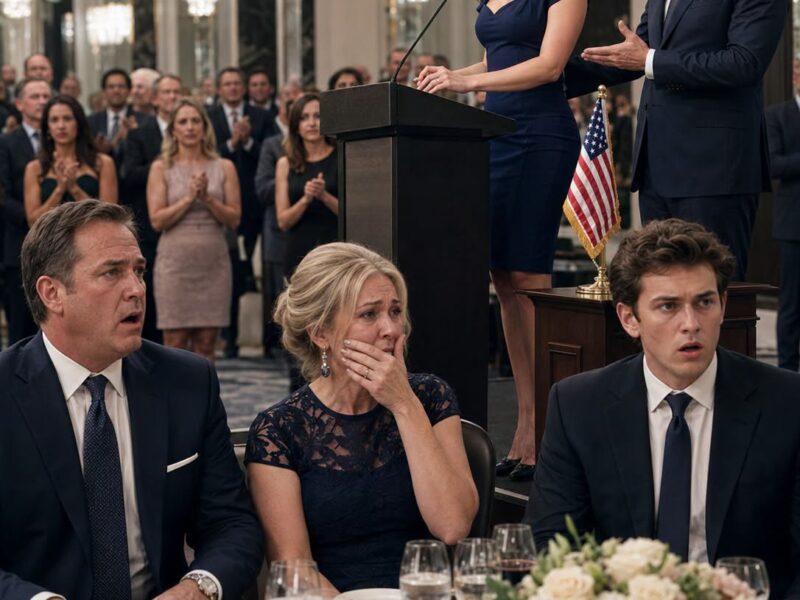
When I eventually informed my children that I had left everything to Maria, the room fell completely silent.
“She was there when your father was dying,” I said softly. “She stayed after he was gone. And she’s been here every night since I got sick.”
After a brief pause, I added, “You’ve visited. But the only times we talked seriously were about money.”
My son’s face flushed red. My daughters cried and said they loved me. And I believe they do, in their own way.
But love isn’t measured only by words.
I reminded them that I had already given them everything while they were growing up. Education. Support. Stability. They now had homes, careers, and families of their own. Maria had been raised with very little, and my home would offer her the opportunity to build a life without constant hardship.
“Inheritance isn’t about blood,” I told them. “It’s about presence.”
They left feeling angry. Hurt. Confused.
And when the door closed behind them, something settled within me.
For the first time in months, I felt peace.