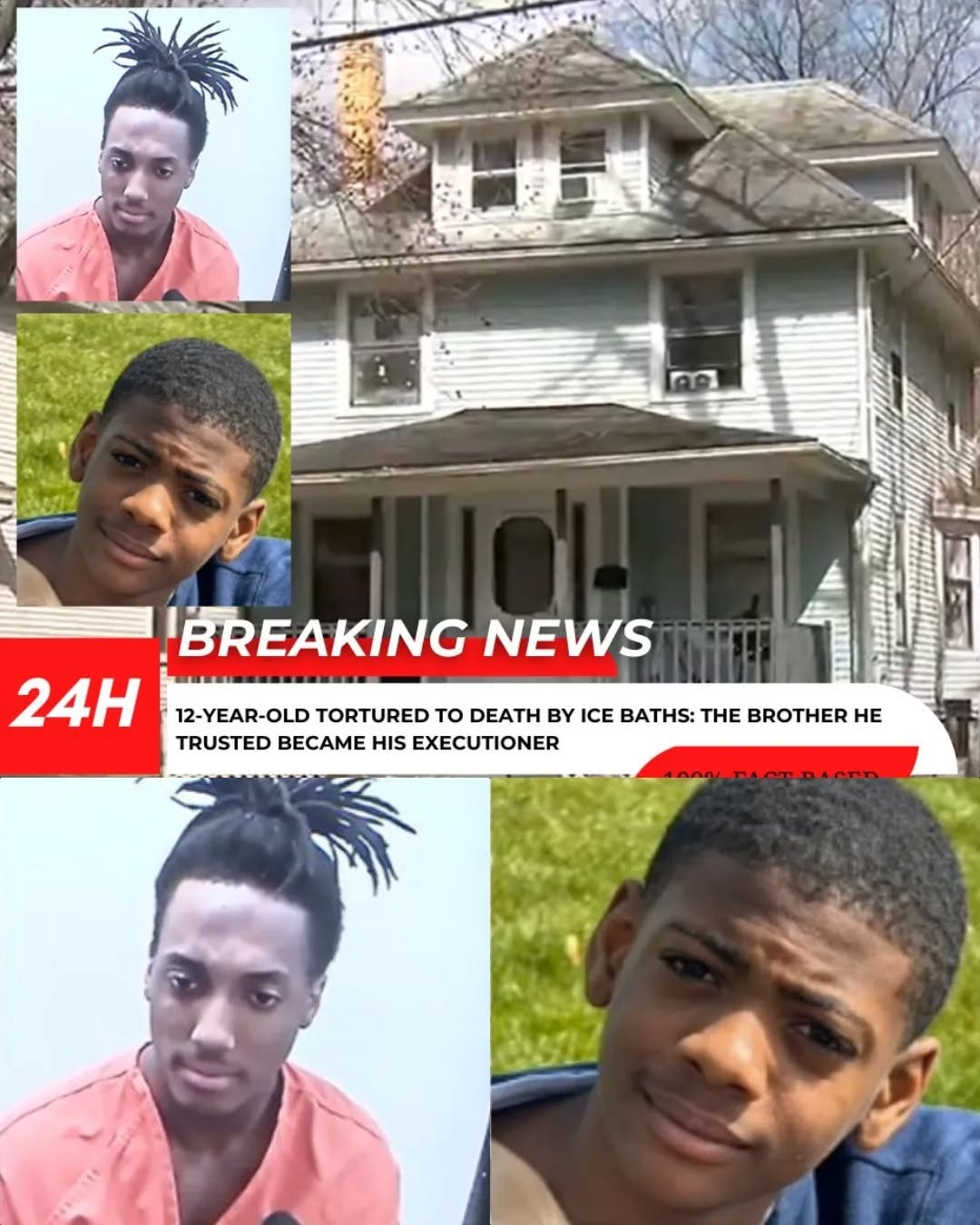
The story of Jadako Taylor did not begin with headlines, sirens, or courtrooms. It began inside a home that was supposed to offer safety, routine, and belonging. Jadako was twelve years old, an age when childhood still lingers but the pressures of growing up begin to take shape. He lived under the same roof as people he trusted, people he referred to as family, people he believed would protect him.
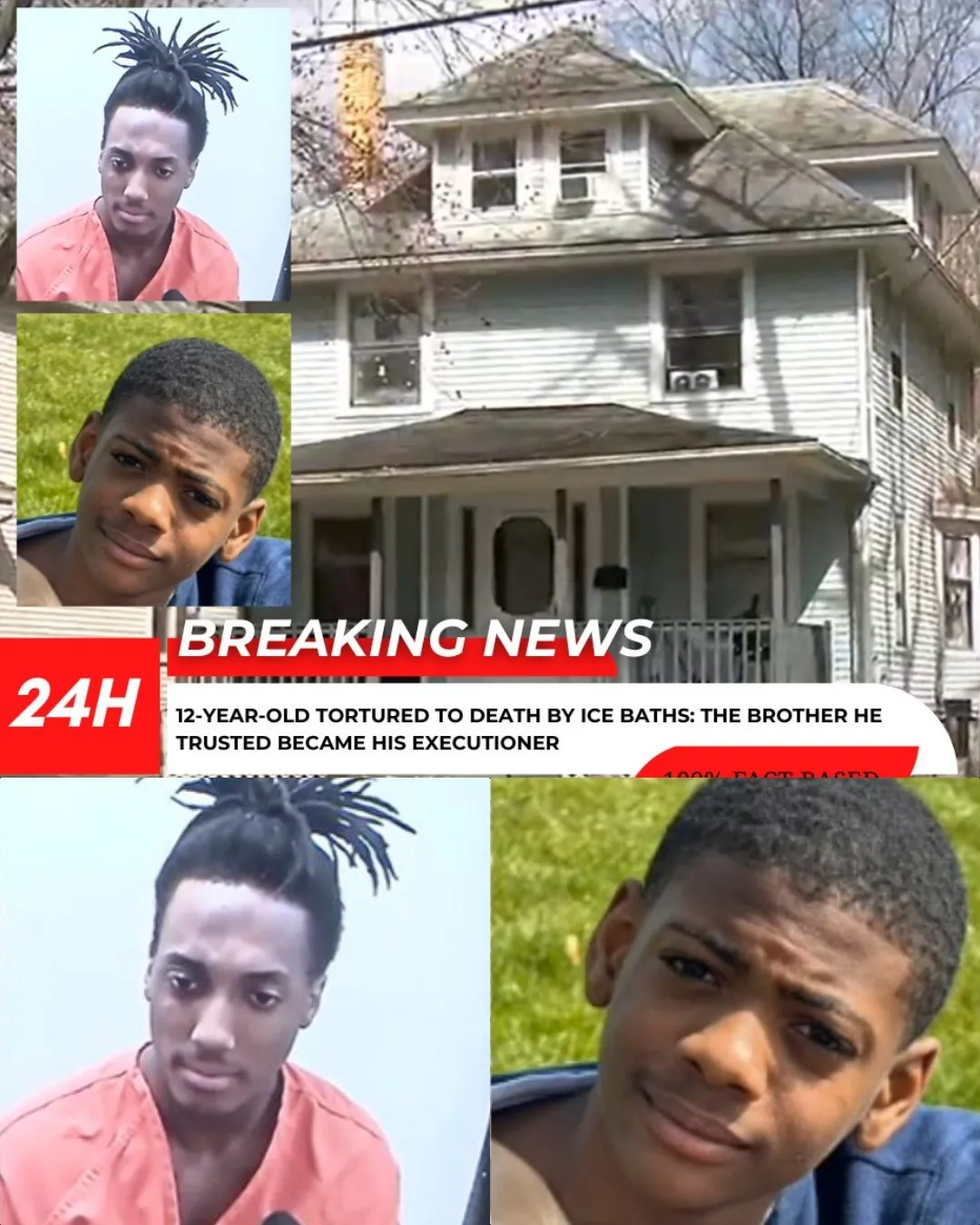
Among them was Anthony McCants Jr., a 23-year-old adult who was not related by blood but was considered a “brother” within the household. In the language of family, that word carried weight. It implied care, responsibility, and guidance. It implied that Jadako was not alone. What prosecutors now allege is that this bond of trust became the very thing that allowed extreme abuse to unfold behind closed doors.
According to investigators, the relationship between Jadako and McCants was defined publicly as one of discipline and authority. McCants was described as someone tasked with enforcing rules and correcting behavior. But what authorities now describe bears no resemblance to discipline. They say it was a pattern of punishment so extreme, so sustained, that it crossed into deliberate cruelty.
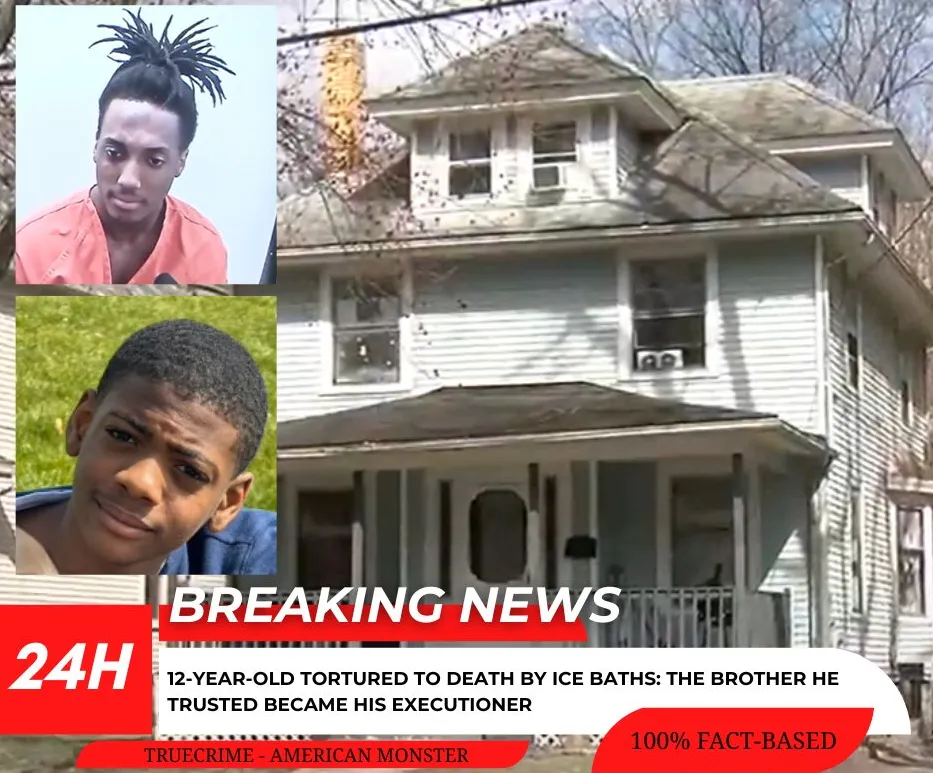
Court documents suggest the abuse was not the result of a single outburst or moment of anger. Instead, it unfolded over time, escalating in severity. Prosecutors allege that McCants subjected Jadako to repeated acts that caused both physical suffering and psychological distress, creating an environment of fear rather than correction.
Central to the case are allegations involving forced exposure to extreme cold. Investigators say Jadako was made to sit in ice baths for extended periods, each lasting roughly forty-five minutes. Medical experts have emphasized that such exposure is dangerous for adults and especially perilous for children, whose bodies lose heat more rapidly and struggle to regulate temperature.
Authorities allege these ice baths were not isolated incidents. According to the criminal complaint, Jadako was subjected to multiple sessions, sometimes more than once in a single day. Each time, his body would have been pushed closer to physiological limits, draining energy and impairing basic bodily functions.
Between these cold exposures, prosecutors say Jadako was forced to perform strenuous physical activity. Exercises such as push-ups were allegedly demanded while his body was already weakened from cold stress. Experts have noted that combining extreme cold with exertion can overwhelm the cardiovascular system, increasing the risk of collapse.

Those investigating the case emphasize that the severity lies not only in the actions themselves, but in their repetition. Jadako, they say, was not given time to recover. His body was placed under continuous strain, day after day, without care, warmth, or relief. What was described as “discipline” became a cycle of suffering.
As the abuse continued, Jadako’s condition reportedly worsened. Authorities state that he began showing signs of serious medical distress, including vomiting and seizures. These symptoms are widely recognized as medical emergencies, indicating that the body is failing to maintain essential functions.
Only after Jadako’s condition reached this critical point was emergency medical help sought. He was transported to a hospital, where doctors attempted to stabilize him. Despite their efforts, Jadako could not be saved. The loss of a twelve-year-old child stunned medical staff and left investigators searching for answers.
The medical examiner’s findings would later play a crucial role in the case. According to official reports, Jadako’s core body temperature was dangerously low at the time of death. The findings were consistent with hypothermia, a condition that occurs when the body loses heat faster than it can produce it, leading to organ failure.
Investigators were clear in their assessment. This was not an accident. It was not a misunderstanding about parenting styles. Prosecutors have stated that the evidence points to severe child abuse, carried out against a boy who had no power to stop it and no means of escape.
Anthony McCants Jr. was arrested and charged with serious felony offenses related to child endangerment resulting in death. Authorities have emphasized that the charges reflect not only the outcome, but the prolonged nature of the alleged abuse. The legal process is ongoing, and prosecutors say additional details may emerge as the case moves forward.
As news of Jadako’s death spread, public reaction was swift and emotional. Many struggled to comprehend how such treatment could occur within a home, away from public view. Questions flooded social media and community forums, centering on accountability and prevention.
Child welfare advocates pointed to the case as a devastating example of how abuse can be hidden behind language like “discipline” or “tough love.” They stressed that when punishment causes physical harm or psychological terror, it is no longer correction—it is violence.
The case has also reignited broader conversations about oversight and intervention. How often are warning signs missed? How many children endure suffering in silence because the people responsible for them are also the ones causing harm? These questions have no easy answers, but Jadako’s death has made them impossible to ignore.
For those who knew Jadako, the loss is deeply personal. Friends and family members have described him as a child who deserved patience, guidance, and care. Like any twelve-year-old, he was still learning, still growing, still dependent on adults to shape his future.
That future was taken from him.
Jadako will never graduate school, never pursue his interests, never grow into adulthood. His voice was silenced before he could fully understand the world around him. What remains is the responsibility of others to speak for him now.

Legal experts note that cases like this often force society to confront uncomfortable truths. Abuse does not always look the way people expect. It can happen in ordinary homes, carried out by people who are trusted, excused, or overlooked.
As the case proceeds through the courts, prosecutors say their focus is on justice for Jadako. They have emphasized that accountability is essential, not only to address what happened, but to send a message that such treatment of children will not be tolerated.
Community leaders and advocates have called for renewed attention to child protection systems, education, and reporting mechanisms. They argue that preventing tragedies like this requires vigilance, resources, and a willingness to intervene before harm becomes irreversible.
Jadako Taylor’s death is more than a single criminal case. It is a reminder of the vulnerability of children and the consequences of unchecked authority. It forces a reckoning with how society defines discipline, responsibility, and care.
In the end, Jadako’s story is not just about how he died. It is about how he lived—dependent on others, trusting those around him, and relying on adults to do what was right. That trust was broken in the most devastating way.
Now, as the legal system moves forward, one truth remains painfully clear: Jadako deserved protection, not punishment. He deserved compassion, not cruelty. And his death stands as a call to ensure that no child’s suffering is dismissed, ignored, or justified ever again.