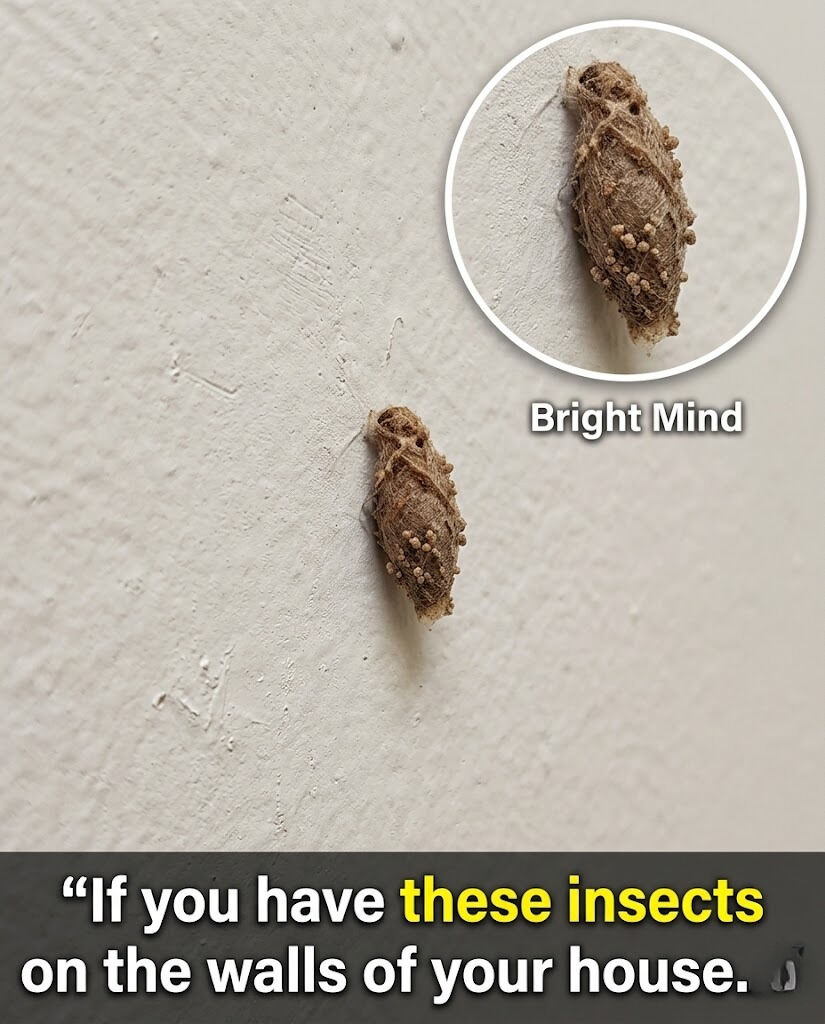
You don’t always see them.
That’s what makes them unsettling.
Because even when your home looks clean…
👉 They could already be there
Hidden.
Quiet.
Completely unnoticed.
Most household insects don’t live out in the open.
👉 They hide
And they hide in places most people never check.
📑 Table of Contents
- Why Insects Hide Indoors
- The Most Common Hiding Spots
- Why You Rarely See Them
- Signs They’re Already There
- The Types of Insects You Might Find
- How to Prevent Them
- Final Thoughts
🧠 Why Insects Hide Indoors
Insects aren’t randomly moving around your home.
They’re looking for three things:
- Food
- Moisture
- Shelter
And according to pest experts, they prefer:
👉 Dark, warm, and damp environments
That’s why they often go unnoticed.
Because they choose places…
👉 You don’t look at every day
🕳️ The Most Common Places They Hide
🚰 1. Under the Sink
This is one of the biggest hotspots.
Why?
- Moisture from pipes
- Darkness
- Warm environment
Common insects here:
- Cockroaches
- Ants
- Silverfish
Experts confirm that areas under sinks attract pests because of moisture and food proximity
⚡ 2. Behind Appliances
Think about:
- Fridge
- Stove
- Dishwasher
These areas:
- Collect crumbs
- Stay warm
- Are rarely cleaned
👉 Perfect hiding place
🧱 3. Inside Walls and Cracks
This is where things get surprising.
Insects can live:
- Behind walls
- Inside electrical outlets
- In tiny cracks
These spaces act like hidden tunnels.
👉 Letting them move without being seen
🛁 4. Bathrooms
Bathrooms are one of the most common areas.
Because they provide:
- Humidity
- Water
- Warmth
Silverfish, for example, are known to live in bathrooms, basements, and damp areas
📦 5. Cluttered Areas
Boxes.
Old clothes.
Storage corners.
These create:
👉 Undisturbed environments
Which insects love.
Clutter makes it easier for them to:
- Hide
- Multiply
- Stay unnoticed
🪵 6. Baseboards and Floor Edges
These thin spaces act like highways.
Insects use them to:
- Travel
- Hide
- Build nests
They’re small…
But extremely active areas.
🧺 7. Closets and Storage Spaces
Dark.
Closed.
Rarely opened.
👉 Ideal conditions
Some insects even feed on:
- Fabric
- Paper
- Dust
👀 Why You Rarely See Them
Here’s the important part:
👉 Most insects are nocturnal
That means:
- They come out at night
- Hide during the day
So even if your home looks bug-free…
👉 It doesn’t mean it is
⚠️ Signs They’re Already There
Even if you don’t see insects directly, you may notice:
- Small droppings
- Unusual smells
- Tiny holes in food packaging
- Shed skins
- Damage to paper or fabric
These are early warning signs.
🐜 The Types of Insects You Might Find
Common household insects include:
- Ants
- Cockroaches
- Silverfish
- Spiders
- Beetles
Many of them enter through:
👉 Small cracks and openings
And once inside…
👉 They spread quietly
🧠 The Hidden Truth
Most infestations don’t start big.
They start small.
One insect.
Then a few.
Then many.
Because the environment allows it.
🛡️ How to Prevent Them
The good news?
You can reduce the risk.
✔️ Simple Steps:
- Keep areas dry (especially bathrooms and kitchens)
- Clean behind appliances regularly
- Seal cracks and openings
- Reduce clutter
- Store food in airtight containers
Even small actions can make a big difference.
💡 The Bigger Insight
Insects don’t just appear.
They choose environments.
And if your home provides:
👉 Food
👉 Moisture
👉 Shelter
They will stay.
🔚 Final Thoughts
If you’ve never checked these places…
Now you might want to.
Because sometimes…
👉 What you don’t see matters the most
And the question is:
👉 Are they hiding… or are you just not looking?