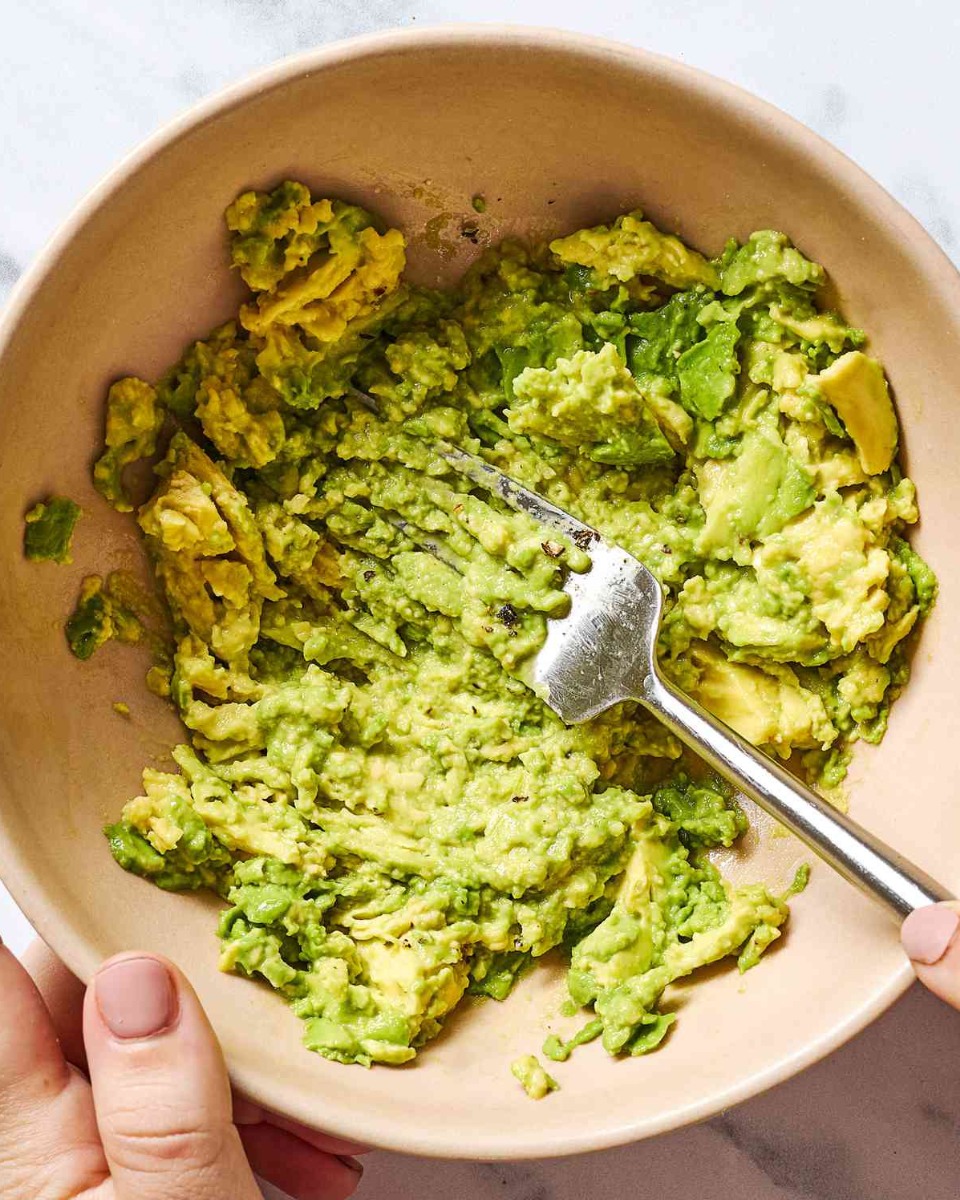
Avocado has earned its reputation as a “superfood,” and not without reason. It’s nutritious, filling, and rich in healthy fats.
However, in older adults, poorly managed consumption can become a silent risk — especially when chronic conditions are present or daily medications are involved.
After age 60, metabolism slows down, the kidneys and liver filter less efficiently, and conditions such as high blood pressure, diabetes, or heart disease often coexist. In that context, a nutrient-dense food like avocado requires more caution than enthusiasm.
Below are the 10 most common — and potentially dangerous — mistakes to avoid.
Error 10: Thinking “if it’s healthy, more is better”
A medium avocado can provide between 250 and 320 calories. Even though those calories come from healthy fats, excess intake can lead to increased abdominal fat, added strain on the joints, and greater insulin resistance.
Safe portion: For most older adults, ¼ to ⅓ of a medium avocado per day is enough to gain benefits without unnecessary risks.
Error 9: Ignoring latex–fruit cross-reactivity
People with latex allergies may react to avocado, even if they’ve eaten it their entire lives without problems. Symptoms can range from an itchy mouth to throat swelling and difficulty breathing.
Warning signs: Itching, swelling, or hives after eating avocado.
Action: Stop consuming it and consult an allergist.
Error 8: Eating it alongside statins without planning
There’s no solid evidence that avocado cancels out statins, but consuming large amounts of fat at the same time may slightly interfere with absorption.
Recommendation: Separate avocado consumption and medication intake by several hours and keep portions moderate.
Error 7: Frying or grilling avocado
High heat oxidizes monounsaturated fats, destroys vitamins, and may make the food pro-inflammatory — the opposite of what you’re trying to achieve.
Best way to eat it: Consume it raw or add it at the end of hot dishes, once the heat has been turned off.

Error 6: Eating it when it’s green and hard
Unripe avocado contains more sorbitol and other compounds that can cause gas, diarrhea, abdominal pain, and dehydration — particularly risky in older adults.
Tip: Wait until it yields gently when pressed.
Error 5: Believing the pit preserves freshness
Leaving the pit in does not prevent oxidation or bacterial growth. Poorly stored avocado can develop bacteria that pose a greater risk to seniors.
Better method:
- Add lemon or lime juice to the flesh
- Cover with plastic wrap pressed directly onto the surface
- Consume within 24 hours
Error 4: Overconsuming it while on blood pressure medication
Avocado can help lower blood pressure. When combined with antihypertensive medications, it may cause hypotension, dizziness, and falls.
Recommendation: Keep portions small, monitor blood pressure, and inform your doctor if you eat it regularly.
Error 3: Eating it with chronic kidney disease
Avocado is very high in potassium. In people with kidney disease, this can lead to hyperkalemia — a medical emergency that may cause arrhythmias or cardiac arrest.
Strict rule: If you have advanced kidney disease or are on dialysis, do not consume avocado without explicit medical approval.

Error 2: Assuming it doesn’t interact with heart medications
Potassium-sparing diuretics, beta-blockers, and ACE inhibitors may interact with avocado’s high mineral content.
Solution:Never decide on your own. Always inform your doctor and ask how much and how often it’s safe to consume.
Error 1 (the most dangerous): Eating it inconsistently while on blood thinners
Avocado contains vitamin K. For people taking anticoagulants, inconsistent intake can reduce the medication’s effectiveness or increase the risk of bleeding.
Absolute rule:
- Either don’t eat it at all, or eat the same amount consistently
- Inform your doctor about any dietary changes
- Consistency matters more than quantity
Advice and recommendations
Always prioritize moderation.
Maintain a consistent diet without sudden changes.
Inform your doctor about any food you consume regularly.
Don’t assume that “natural” means “harmless.”
Avocado is not the enemy. The real risk lies in consuming it without awareness — ignoring age, health conditions, and medications. With proper information, moderation, and medical supervision, it can remain a valuable part of a safe and balanced diet in later adulthood.