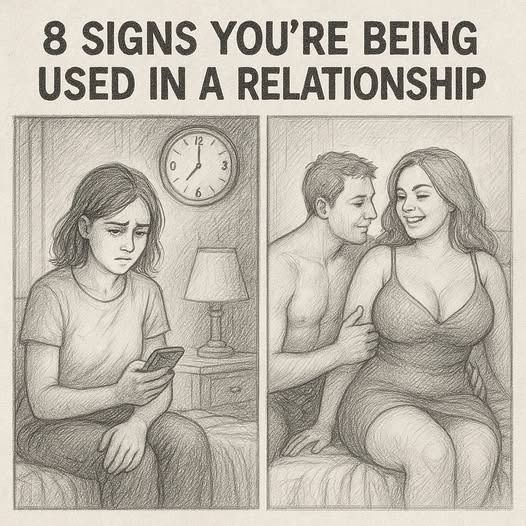
A healthy relationship is based on respect, love, and mutual effort. But sometimes, one partner may take advantage of the other’s kindness, leaving the relationship feeling unbalanced and draining. Being “used” doesn’t always happen in obvious ways—it can be subtle, disguised as affection or convenience. Recognizing the signs can help you set healthy boundaries and protect your emotional well-being.
They Only Reach Out When They Need Something
If your partner mostly calls or texts you when they want help, favors, or emotional comfort, it may be a sign of being used. Genuine partners care about your life too, not just what you can provide for them.
Lack of Effort in Communication
Communication should be two-sided. If you are always the one starting conversations, while your partner replies only when convenient, it shows a lack of genuine interest. Relationships thrive when both people actively connect.
Your Needs Are Ignored
A partner who constantly dismisses your feelings, opinions, or requests is showing that they value their own comfort above yours. Over time, this imbalance leaves you feeling unimportant and unheard.
Imbalance of Giving and Taking
When you are the one always sacrificing—whether financially, emotionally, or with your time—while your partner rarely contributes, it creates an unhealthy dynamic. Relationships should feel equal and balanced.
They Disappear During Your Tough Times
A true partner offers support during challenges. If your partner is there only when life is easy but avoids you during difficulties, it shows they are more interested in convenience than commitment.
Constant Excuses and Broken Promises
Making promises but never keeping them is a clear red flag. When someone repeatedly disappoints you with excuses, it demonstrates a lack of reliability and respect for your feelings.
They Avoid Commitment
If your partner enjoys the benefits of the relationship but refuses to discuss long-term plans or stability, it may mean they are only using you for the present moment, not considering a future together.
You Feel Drained Instead of Loved
A relationship should bring joy and peace, not exhaustion. If you constantly feel emotionally drained or unappreciated after being with your partner, it’s a strong indication that you are giving more than you receive.
They Take Advantage of Your Generosity
Some partners notice your kindness and exploit it. If you are always paying the bills, driving them around, or solving their problems, yet they rarely do the same for you, they may be using your generosity.
They Don’t Respect Your Time
Respecting each other’s time is an important part of love. If your partner constantly shows up late, cancels plans last minute, or expects you to be available whenever it suits them, it signals they don’t value your efforts.
They Show Little Interest in Your Life
A healthy partner wants to know about your day, your dreams, and your challenges. If conversations are always about them and they rarely ask about you, it reflects self-centeredness and lack of genuine care.
They Use Affection as a Tool
Sometimes, a person may show affection only when they want something in return. If your partner is warm and kind only when it benefits them, but distant the rest of the time, this conditional behavior is a sign of manipulation.
They Criticize More Than They Appreciate
Constructive feedback is healthy, but constant criticism is not. If your partner focuses more on your flaws than your strengths and rarely appreciates your efforts, it can be a way of keeping you insecure while they benefit from the relationship.
Friends or Family Notice the Pattern
Often, those closest to you see red flags before you do. If your friends or family point out that your partner seems to take advantage of you, it’s worth reflecting on whether their observations are accurate.
Conclusion
Being used in a relationship is emotionally draining and unfair. The signs may include one-sided communication, lack of support, imbalance in giving and taking, or even conditional affection. Recognizing these behaviors early allows you to set healthy boundaries and decide whether the relationship truly values your worth. A strong relationship should make you feel respected, cared for, and cherished—not taken for granted.