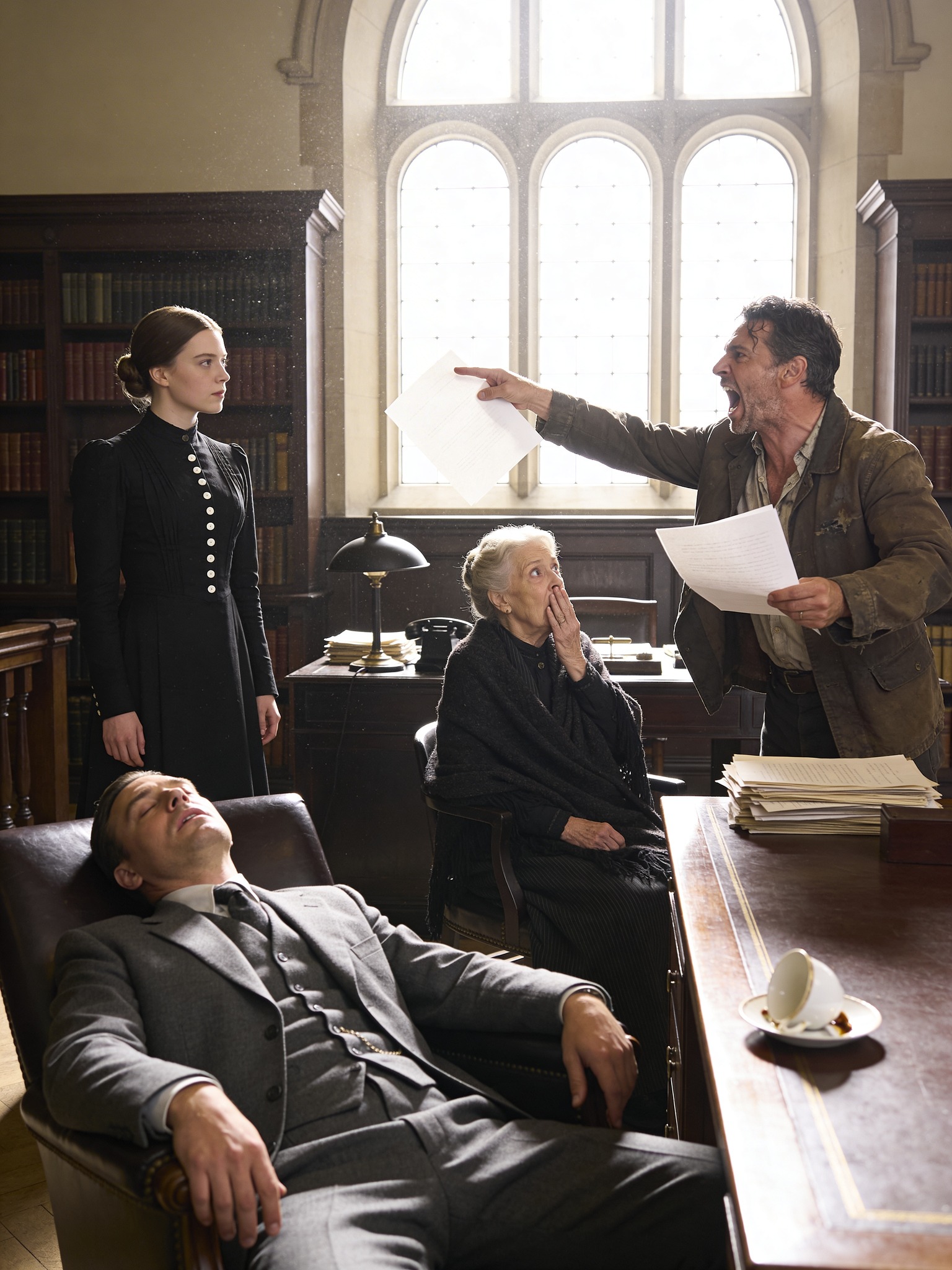
My name is Valerie Stein, and when my parents rejected me at thirteen years old, they made no effort to disguise the finality of their decision or soften the cruelty of their words. The memory remains painfully vivid, preserved with unsettling clarity, because certain moments possess a permanence that time cannot erode or distort.
It was a stormy autumn evening in a quiet Wisconsin suburb where silence usually signaled comfort rather than catastrophe, yet that night the atmosphere carried an unfamiliar tension that pressed heavily against my chest. My mother, Monica Stein, stood near the kitchen counter with her arms tightly folded, her expression cold and resolute, as though she were preparing to resolve an inconvenience rather than dismantle her daughter’s entire world.
“You have become an emotional weight that this household can no longer sustain,” she declared without hesitation, her voice devoid of hesitation, warmth, or regret. My father, Paul Stein, avoided my gaze entirely, studying the wooden floor with intense concentration, as though acknowledging my presence required courage he simply did not possess.
I was instructed to gather my belongings quickly, pack only essential items, and wait outside near the porch steps until further arrangements could be made. That doorway marked the end of my childhood, because abandonment rarely arrives with ceremony, explanation, or dramatic spectacle.
If social services did not assume custody of my future, the reason rested entirely with my uncle, Laurent Stein, my father’s older brother, whose presence within family discussions had always carried an air of distance, mystery, and quiet authority. I barely knew him beyond whispered descriptions portraying him as successful, disciplined, and emotionally reserved.
That same evening, a sleek black sedan arrived beneath relentless rain, its headlights illuminating a scene defined by humiliation, confusion, and disbelief. Laurent stepped out wearing a dark tailored coat, surveyed the situation briefly, then spoke with calm decisiveness that permitted no debate.
“She is coming with me,” he stated firmly.
No objections emerged.
My parents displayed unmistakable relief.
Life within Laurent’s home unfolded beneath rigid structure, unwavering expectations, and discipline rooted not in affection, but in principle and long term foresight. He valued responsibility, education, and self reliance above emotional comfort, rarely offering praise, sympathy, or visible reassurance.
“You owe me nothing,” he once explained during a rare private conversation. “Your achievements must belong entirely to you, because dependence breeds weakness, resentment, and misplaced gratitude.”
Though his kindness lacked tenderness, its impact proved transformative.
He enrolled me in an excellent preparatory academy, arranged additional tutoring whenever challenges arose, and demanded consistent excellence without permitting excuses, complacency, or self pity. Over time, I recognized the deeper intention behind his stern guidance, because his investment centered not on control, but empowerment.
As years passed, I gradually uncovered truths my parents had carefully concealed throughout my early life, revelations reshaping my understanding of loyalty, resentment, and family dynamics. My parents had relied financially upon Laurent for decades, depending upon his resources to resolve debts, sustain businesses, and maintain appearances of stability they never independently secured.
Their rejection of me had never concerned emotional strain or behavioral difficulty.
It had concerned leverage.
When Laurent assumed responsibility for my future, their influence diminished permanently.
At eighteen, I departed for university in Chicago, determined to construct a life defined by independence, competence, and ownership rather than obligation or inherited privilege. I pursued studies in finance before specializing in corporate law, driven by ambition shaped through adversity rather than comfort.
Laurent observed quietly.
He never interfered directly.
Our conversations continued weekly.
He never mentioned my parents.
Fifteen years passed without contact, reconciliation, or acknowledgment from those who once claimed authority over my existence. Then, unexpectedly, an unfamiliar number interrupted an otherwise ordinary morning, delivering news that altered everything with brutal efficiency.
Laurent had suffered a fatal stroke.
The reading of his will occurred inside a respected probate attorney’s office overlooking Lake Michigan, where polished wood and muted lighting created an atmosphere of solemn formality. I arrived early, dressed in black, maintaining composure through practiced restraint rather than genuine emotional stability.
Then my mother entered.
Her heels echoed sharply across the floor.
Her expression radiated confidence.
When she recognized me, she smiled with unsettling familiarity, as though years of silence represented minor inconvenience rather than profound rupture.
“I always suspected he would leave something significant behind,” Monica whispered softly, her tone edged with expectation rather than grief. “He carried guilt throughout his life, even when he pretended indifference toward our struggles.”
At that moment, I realized how completely unaware I remained regarding Laurent’s final intentions.
When the attorney began reading the document, my mother leaned forward eagerly, already envisioning wealth she believed naturally belonged to her. My father arrived moments later, settling beside her with restless impatience, quietly discussing investment strategies and potential acquisitions.
The attorney continued steadily.
“To Paul Stein and Monica Stein,” he announced clearly.
My mother’s smile widened.
“I bequeath the symbolic sum of one dollar to each recipient.”
Silence descended instantly.
My mother released a strained laugh.
“This must be incomplete documentation requiring further clarification or additional context,” she insisted nervously, her voice trembling beneath disbelief she struggled desperately to suppress.
The attorney remained composed.
“This allocation reflects deliberate intent,” he replied calmly. “The deceased explicitly stated that prior assistance exceeded obligations traditionally associated with familial responsibility.”
My father rose abruptly, outrage overtaking composure.
“This decision defies logic, fairness, and fundamental expectations governing inheritance,” he protested loudly, his voice cracking beneath humiliation more profound than anger.
“Please remain seated,” the attorney responded firmly.
Then came the decisive revelation.
“To my niece, Valerie Stein, whom I raised, educated, and consider my sole moral successor, I bequeath my entire estate, including properties, financial holdings, and controlling interests.”
The room seemed to contract.
My mother stared at me, speechless.
“That outcome is impossible,” she whispered faintly.
The attorney detailed assets meticulously, listing commercial buildings, diversified portfolios, and investments valued collectively in the tens of millions. Then he turned toward me, referencing an additional provision incorporated at my request months earlier.
“Any legal challenge will trigger disclosure of documented financial dependency, fraudulent loan applications, and misappropriation of funds previously resolved through private settlements,” he read aloud.
My father collapsed back into his chair.
My mother trembled visibly.
“Did you orchestrate this humiliation deliberately?” she demanded, her voice fractured by disbelief, fear, and dawning recognition.
“No,” I answered quietly.
“He did.”
I stood slowly, meeting her gaze with calm clarity shaped through years of reflection rather than bitterness.
“I was rejected as a burden,” I continued steadily. “He demonstrated that dignity emerges through resilience, discipline, and responsibility rather than conditional acceptance.”
Tears streamed down her face.
“We remain your parents regardless of past circumstances,” Monica whispered desperately.
I regarded her silently for several seconds before responding with quiet finality.
“They ceased fulfilling that role the night they abandoned me outside.”
The attorney handed me a sealed envelope containing Laurent’s final handwritten message, words composed with characteristic precision and restraint.
“You were never a burden,” the note declared. “You represented proof that strength, dignity, and independence can flourish despite rejection.”
My parents departed without speaking further.
I remained alone within the silent office, not triumphant, but profoundly at peace.
Laurent had given me more than fortune.
He had given me closure.