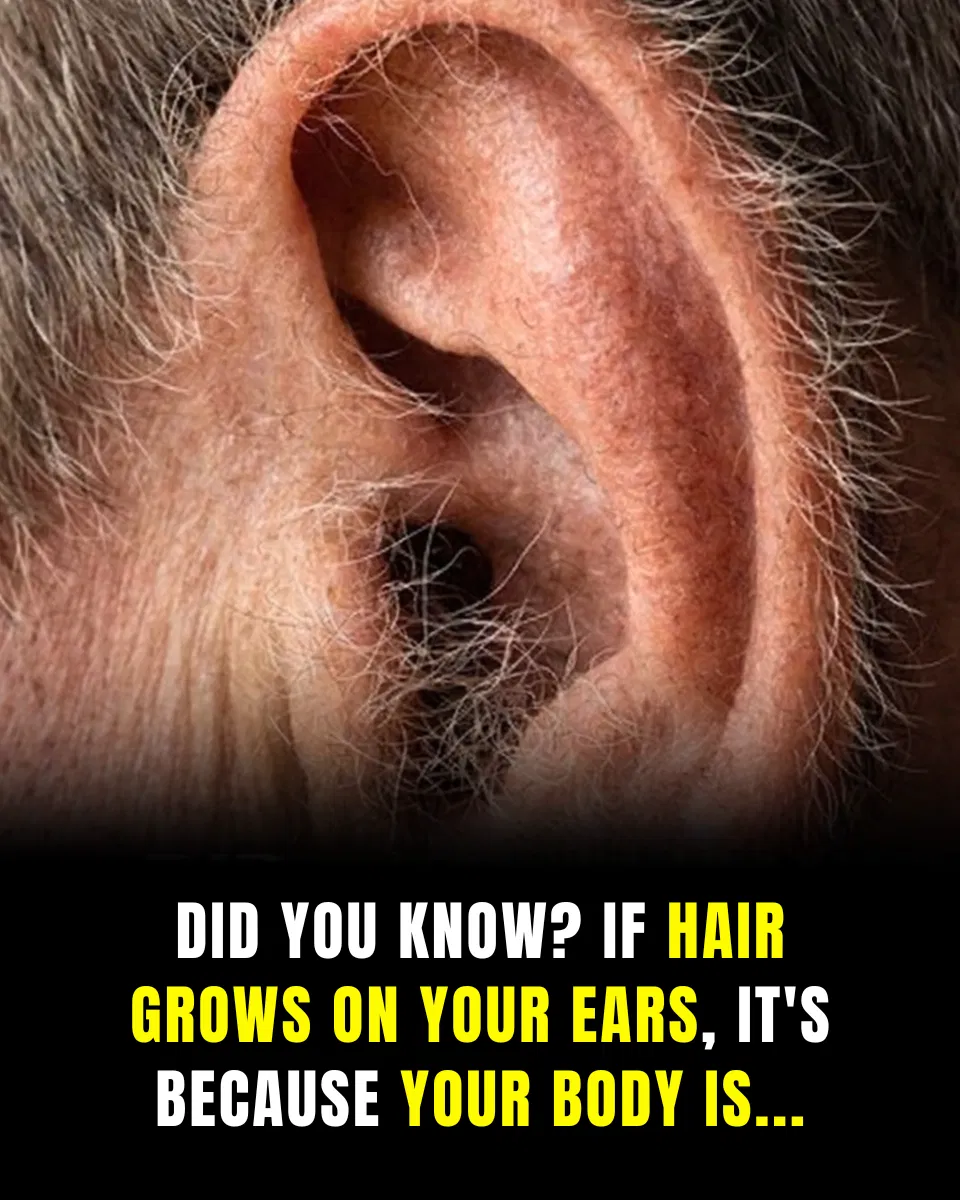
Have you noticed ear hair appearing as you get older and wondered what it means?
Far from being just an aesthetic sign of aging, these hairs are linked to hormones, genetics, and natural changes in the skin.
Discover why they appear, what they may reveal about your health, and—most importantly—how to groom them safely so you can stay clean and comfortable every day.
Why ear hair appears
Most people notice ear hair by chance, while looking in the mirror or during a visit to the barber. Although it’s often associated with aging, its appearance is actually influenced by several biological factors:
Hormones: As we age, the hair follicles in the ears become more sensitive to androgens, especially testosterone. While these hormones can cause scalp hair to thin, they stimulate hair growth in the ears and nose.
Hair growth cycle: The hairs stay in the growth phase longer and fall out less often, which makes them longer and thicker.
Thinning skin: As the skin around the ears becomes thinner and loses elasticity, hairs that were already there become more noticeable.

The role of genetics
Genetics plays a central role. If your father or grandfather had abundant ear hair, you’re more likely to have it as well.
This is mainly due to inherited sensitivity of hair follicles to hormones, not your hygiene, diet, or lifestyle.
Ear hair and health: what you should know
In the vast majority of cases, ear hair is completely harmless. However, it can sometimes give indirect clues about how the body is functioning:
Hormonal changes: Rapid or unusual growth may accompany changes in androgen levels. If it’s paired with persistent fatigue or mood changes, it’s best to talk to a doctor.
Cardiovascular myths: Some older studies suggested a link between ear hair and cardiovascular health, but scientific evidence remains insufficient. Ear hair is not a diagnostic tool in any way.
In short, the presence of ear hair mainly reflects the body’s natural evolution and internal processes.

How to groom ear hair
Ear hair has a protective function: it traps dust and certain impurities. It doesn’t need to be removed unless it becomes bothersome. If you want to reduce it, here are the recommended methods:
Electric trimmer: The safest and most effective option for regular maintenance
Safety scissors: Suitable for visible hairs; use with a mirror and rounded-tip blades
Tweezing: Not recommended, as it can lead to ingrown hairs or infections
Waxing or professional cleaning: Should only be done by specialists; never insert objects into the ear canal
In summary
Ear hair is natural and normal. It does not indicate poor hygiene or bad health, but simply reflects age-related hormonal and skin changes.
Rather than fearing it, see it as a normal part of the body’s evolution. When properly groomed, it doesn’t affect comfort or appearance and remains an ordinary aspect of human aging—and ear hair in men.